As the seasons change and our lives get busier, many of us find ourselves craving a fresh start at home. Your small living room can be a cozy haven, but choosing the right colors is key to making it feel more spacious and inviting. That’s why I created this guide on 17 small living room colors ideas that open up space. With the right shades, you can totally transform your area into a place that feels airy and bright.
If you’re someone who loves home decor and wants to maximize the potential of your small space, then this post is for you. Whether you’re downsizing, moving into your first apartment, or just wanting to refresh your living area, finding the perfect color can be overwhelming. This guide breaks down the best small living room colors that not only enhance your space but also bring in positive vibes, making your home feel more like you.
In this article, you’ll discover various color schemes and options that can help open up your living room. Each idea is paired with practical insights you’ll want to know, from the psychology behind colors to how they can affect your mood. So, grab a paintbrush or a swatch, and let’s explore the world of space-enhancing colors that can breathe new life into your small living room!
Key Takeaways
– The right small living room colors can create the illusion of more space, making your room feel larger and more inviting.
– Colors like soft white and cool gray offer timeless and calming effects, respectively, perfect for creating a relaxed vibe.
– Incorporating space-enhancing colors, such as pale blue and light lavender, can add serenity and openness to your living area.
– Warm neutrals like soft beige or soft peach bring a cozy touch while maintaining a spacious feel.
– Elements of color psychology suggest that the colors you choose can influence your mood, making it essential to select hues that resonate with your personal style and comfort.
1. Soft White for a Timeless Appeal
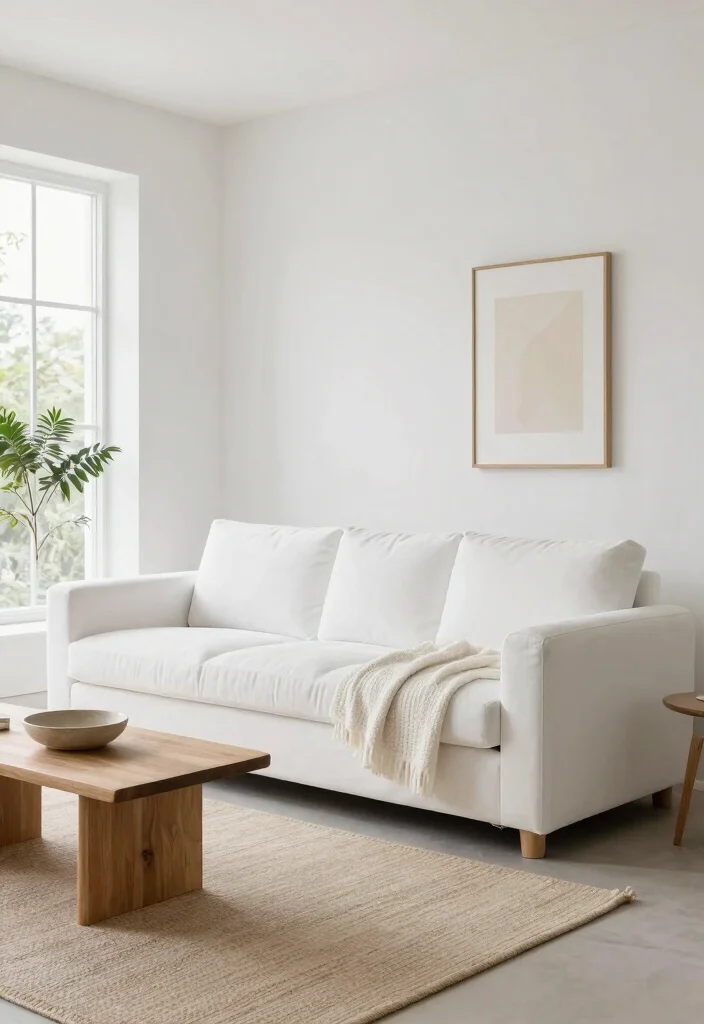
Embracing the beauty of soft white can elevate your small living room into a serene retreat. This color reflects light wonderfully, offering a sense of spaciousness that makes any room feel larger. Soft white walls act as a canvas, allowing you to showcase vibrant furniture and decor accents, which can add excitement to a minimalist aesthetic. Consider pairing soft white with bold hues in your accessories or art to create striking visual contrasts that invigorate the space.
To make this palette shine, think about layering textures. Adding plush throws or varied fabrics can infuse warmth into the simplicity of soft white. Opt for soft white furniture pieces like a cozy sofa or an accent chair to keep the airy vibe alive.
Consider these elements to maximize the potential of soft white:
– Pair soft white walls with vibrant art for a lively touch.
– Incorporate light wood furniture for warmth and contrast.
– Use soft white textiles, like cushions, to enhance coziness.
By choosing soft white, your small living room will radiate elegance and tranquility, enhanced by the interplay of textures and materials.
Soft white walls can reflect up to 90% of ambient light, making small living room colors feel noticeably larger. Pair with bold accents in accessories to sharpen contrast and keep the minimalist vibe.

Barn picture: Our rustic farmhouse-style framed pictures measure 16x12 inches and are easy to hang. Each picture comes with hook and loop tape, ensuring easy installation and allowing you to effortlessly display this beautiful wall decoration.

Standard Size: 18 x 18 inches. Each set includes 2 pillow covers. Not including insert.

Product Dimensions & Design:This canvas wall art measures 24x48 inch, designed to create a striking visual centerpiece for your space. The White and gold wall art adds character, depth, and a refined artistic touch to any interior setting.
2. Cool Gray for a Calming Effect

Cool gray tones offer a modern and sophisticated backdrop for your small living room. This muted shade creates a peaceful atmosphere that invites relaxation, making it ideal for unwinding after a busy day. By softening the overall look, cool gray can enhance natural light, making the room appear more open and airy while maintaining a chic vibe.
To implement this color effectively, consider using a darker gray for an accent wall to create depth and interest. Bright throw pillows or colorful artwork can provide refreshing pops of color that enliven the space.
Explore these ideas to enrich your gray palette:
– Pair cool gray with vibrant accessories to create contrast.
– Use lighter gray textiles to keep the atmosphere light.
– Incorporate wooden elements to enhance warmth and texture.
With cool gray enveloping your small living room, you’ll cultivate a soothing and stylish environment that feels refreshingly open.

Room Divider Curtains: package includes 1 panel divider curtain and plastic hooks/rings, cbsroro divider blackout curtain can be transformed into different shapes when used in conjunction with curtain rod(rod not included)

【Multi-Functional Shelves】- Our floating wall shelves are good choices for bathroom, kitchen, living room, bedroom, office, etc. In the bathroom you can put toiletries, towels. In the living room you can also put small flower pots, trophies, collectibles, books, photos, etc and even use them for cat shelves. These look clean, tidy and bring you the beauty of nature.

How To Choose Small Living Room Colors That Open Up Space
Choosing the right colors for your small living room can make a world of difference in how spacious and inviting it feels. The right palette can enhance your space and create a calming atmosphere. Here’s how to select the perfect colors for your small living room.
1. Consider Natural Light
Observe how much natural light your living room receives throughout the day. Rooms that get plenty of light can handle darker or more saturated colors without feeling cramped. If your space lacks natural light, opt for lighter shades like soft whites or pale blues, which can help reflect light and create an airy feel.
2. Think About Color Psychology
Colors can significantly influence your mood and the perception of space. For instance, cool colors like light blue and soft gray evoke calmness and serenity, while warm tones like mint green and soft peach can create a cozy vibe. Choose colors that align with the atmosphere you want to cultivate in your living room.
3. Use a Monochromatic Scheme
A monochromatic color scheme uses varying shades of the same color, which can create a cohesive and harmonious look. This approach is especially effective in small spaces as it minimizes visual clutter. For example, layering different shades of blue, from light to dark, can add depth without overwhelming the eye.
4. Select Space-Enhancing Colors
Certain colors are known for their space-enhancing qualities. Light neutrals such as soft beige or pale gray can make a room feel larger. Consider adding accents in brighter colors, like light coral or ocean teal, to liven up the space while maintaining an overall airy feel.
5. Balance with Accents
If you choose a light wall color, consider incorporating darker furniture or decorative elements. This contrast can ground the space and prevent it from feeling washed out. For example, a classic navy blue sofa can stand out beautifully against soft white walls while still keeping the room open and inviting.
6. Test Before You Commit
Never settle on a color without testing it in your space. Paint swatches on your walls and observe how they look at different times of day. Colors can change dramatically based on the light, so be sure to see how your chosen hues work with your furniture and decor before making a final decision.
Pro Tip: Consider using removable wallpaper or wall decals in vibrant colors as a temporary solution. This allows you to experiment with bold colors without the commitment of paint.
Choosing the right colors for your small living room is about balancing aesthetics and functionality. By considering natural light, color psychology, and complementary accents, you can create a beautiful space that feels open and inviting. Take your time, test different options, and enjoy the process of transforming your living room!

Whether you are restoring, customizing or completely revamping, this leather paint the perfect way to transform boots, jackets, athletic shoes, purses and more
CONVENIENT SIZE - This Apple Barrel Gloss Acrylic Paint comes in a versatile 2 oz size that is great for basecoating, stenciling and so much more

Wall Art Canvas prints 1 Panels Frame size:71x36inches(90x180cm)
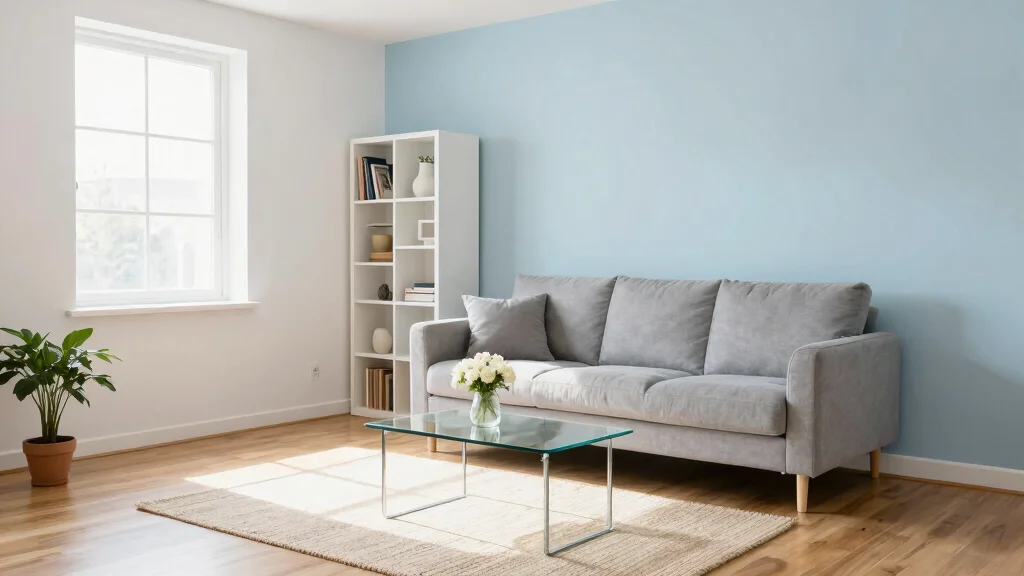
3. Pale Blue for Serenity and Openness
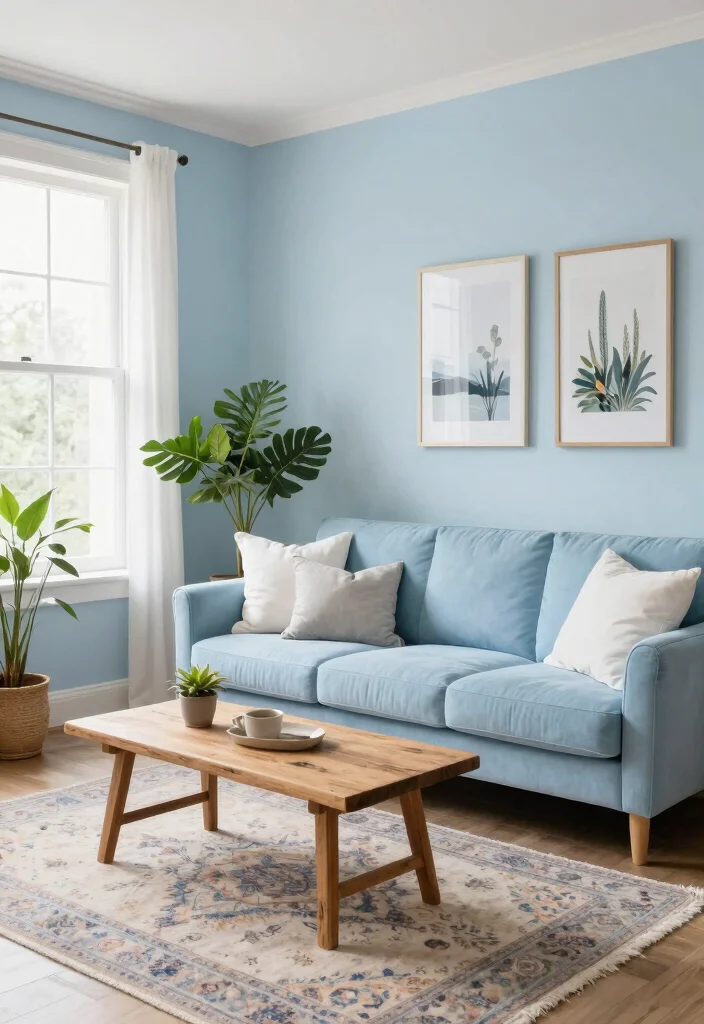
Pale blue is a delightful choice that brings a sense of openness to small living rooms. Mimicking the expansive sky, this gentle hue can brighten your space and create a soothing retreat perfect for relaxation. Embracing pale blue allows you to create an airy atmosphere that feels both fresh and inviting.
To make the most of this calming color, consider painting the walls pale blue and complementing them with natural wood furnishings. Adding darker blue or green accents can introduce depth and visual interest.
Incorporate these strategies to enhance your pale blue theme:
– Use pale blue on walls for a serene backdrop.
– Add wooden furniture to bring in warmth and texture.
– Use darker shades in decor to create visual contrast.
By integrating pale blue into your small living room, you’ll create an inviting space that feels airy and rejuvenating.
Pale blue is one of the best small living room colors for serenity. It feels like an open sky in a compact space, brightening walls and pairing beautifully with natural wood. Add deeper blues or greens for depth and a calm, minimalist polish.

【Adorable Farmhouse Decor】This is a vintage style glass vase with 4 Pcs greenery and 1 Pcs lavender, also a beautiful accent jar lantern with removable florals, so this piece can be used throughout the year. Lights with timer included

PREMIUM MATERIAL FOR ELEGANT STYLE:Made from 100% high-quality polyester, MIULEE sheer curtains offer a soft, breathable fabric that allows natural light to filter through while still providing privacy. The delicate texture adds a touch of elegance to any room, making it the perfect blend of beauty and functionality.

4. Soft Beige for Warmth and Neutrality
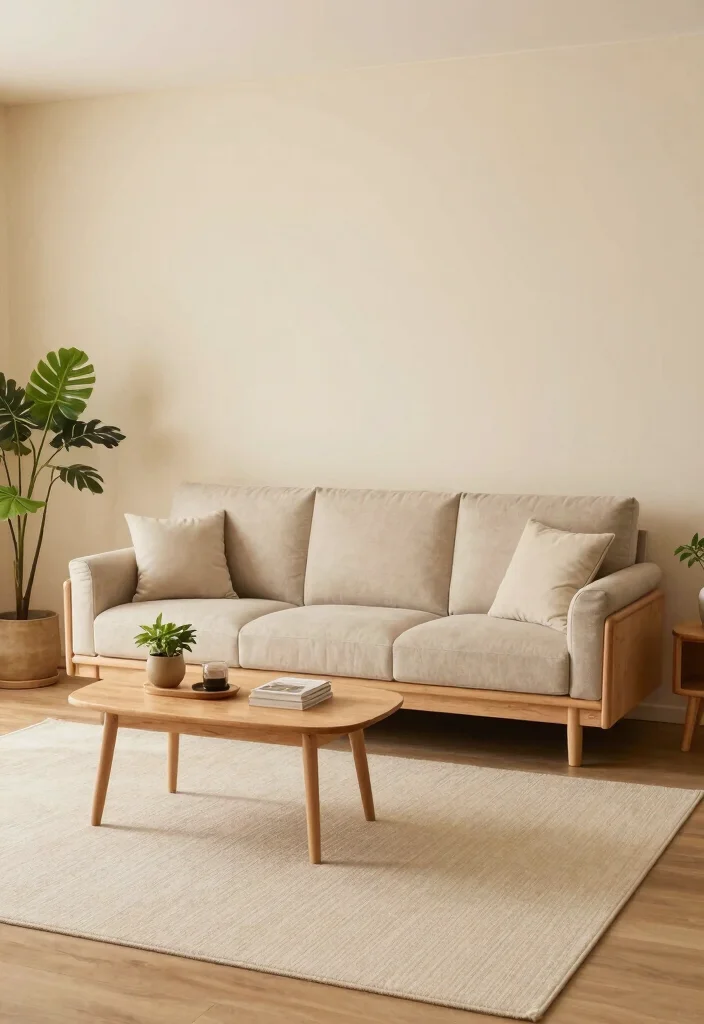
Soft beige is a wonderful option for small living rooms, creating a warm and inviting atmosphere. This neutral shade helps maintain a light and open feel while allowing you to introduce brighter accents. Soft beige pairs beautifully with warmer hues, making it an ideal choice for a cozy yet modern environment.
To enhance this palette, use soft beige walls and contrast them with slightly darker furniture to create visual interest. Incorporating various textures through pillows, throws, and rugs adds depth and warmth to your space.
Consider these tips to maximize the impact of soft beige:
– Use soft beige for walls and darker shades for furniture.
– Layer with textured textiles for added comfort.
– Incorporate colorful accents to keep the decor lively.
With soft beige enveloping your small living room, you’ll foster an inviting space that feels warm and welcoming.

SIZE & MATERIAL:Set includes 2 panels blackout curtains(52" Wide by 84" Long). Each panel has 8 grommets.The interior diameter of hole is 1.6 inch.It's easy to hang. Curtains are made by quality faux linen.
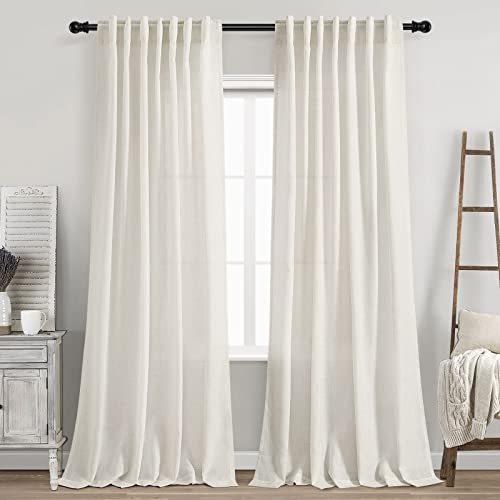
READY MADE: 2 Linen Curtain Panels per package.Each panel measures 52 inches wide by 84 inches long. Top design of Back tab & loop pocket provide 3 hanging options. <1> hanging from the back patch to create an elegant pleated look, <2> from the 3 inch rod pocket for a classic look <3> Hanging with clip rings for easy, slide open and closed (clip rings are not included)

100% Blackout Curtains: Our Blackout Curtains ensure a completely dark room, isolate noise and protect privacy. These room darkening curtains can block 100% sunlight.Heavy duty curtains keep heat indoors in winter and discharge heat in summer, thereby reducing cooling and heating costs , While protecting your furniture, floors and artwork from the sun damage
5. Mint Green for a Refreshing Touch
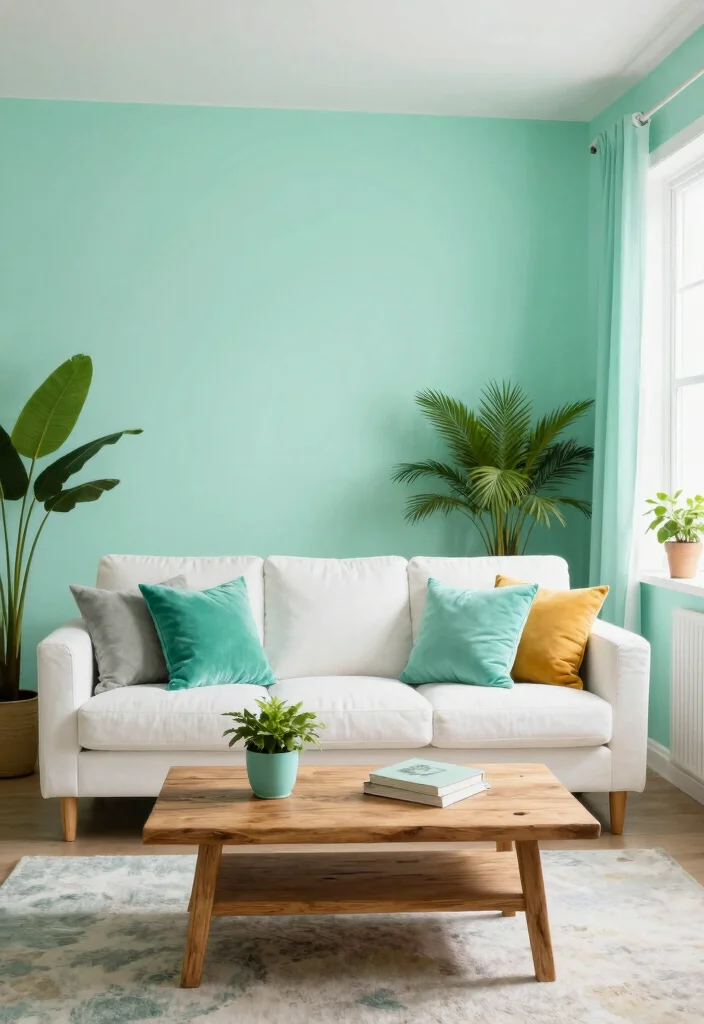
Mint green is a playful yet sophisticated color that adds a refreshing twist to small living rooms. This vibrant shade injects energy into your space while still maintaining a calming and serene vibe. It’s a perfect choice for those seeking a modern approach to small space decor.
Implement mint green effectively by using it as an accent wall or on smaller furniture pieces. Complement this cheerful hue with white or beige accessories for a cohesive and bright look.
Explore these ideas for incorporating mint green:
– Use mint green on an accent wall for a bold statement.
– Add mint green cushions to brighten your furniture.
– Pair with neutrals to enhance the overall aesthetic.
Mint green can invigorate your small living room, making it a stylish and refreshing retreat.

Generous length: Transform your living space with these luxury curtains, measuring 96 inches long and 50 inches wide. These printed curtains are an amazing choice for your living space.


6. Light Lavender for a Subtle Feminine Touch
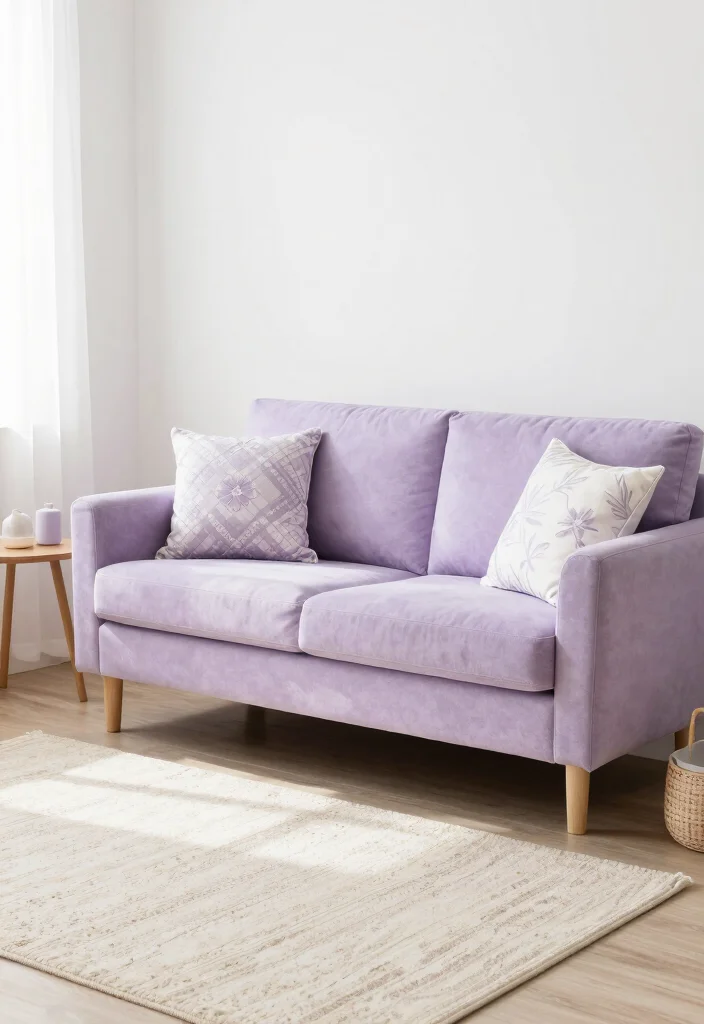
Light lavender introduces a gentle, feminine touch to small living rooms, creating a soft and inviting atmosphere. This lovely hue offers unique character without overwhelming the space, striking a perfect balance between cozy and stylish. Light lavender works beautifully with various accents and textures, enhancing the overall decor.
To make this color shine, consider using light lavender on the walls and pairing it with white furniture for a fresh, modern look. Deeper shades of purple in accessories can create visual interest and depth.
Incorporate these strategies to enhance your light lavender theme:
– Use light lavender on walls for a soft backdrop.
– Pair with white furniture for a clean, cohesive look.
– Incorporate darker purples in accents for added depth.
Light lavender in your small living room cultivates a chic and calming environment, feeling both spacious and lively.

【Modern Classic Design】Metal octagon design ,classic black and white , stereoscopic and elegant,it can be used as a beautiful decoration for living room ,bedroom ,office,hotel etc

7. Terracotta for Earthy Warmth
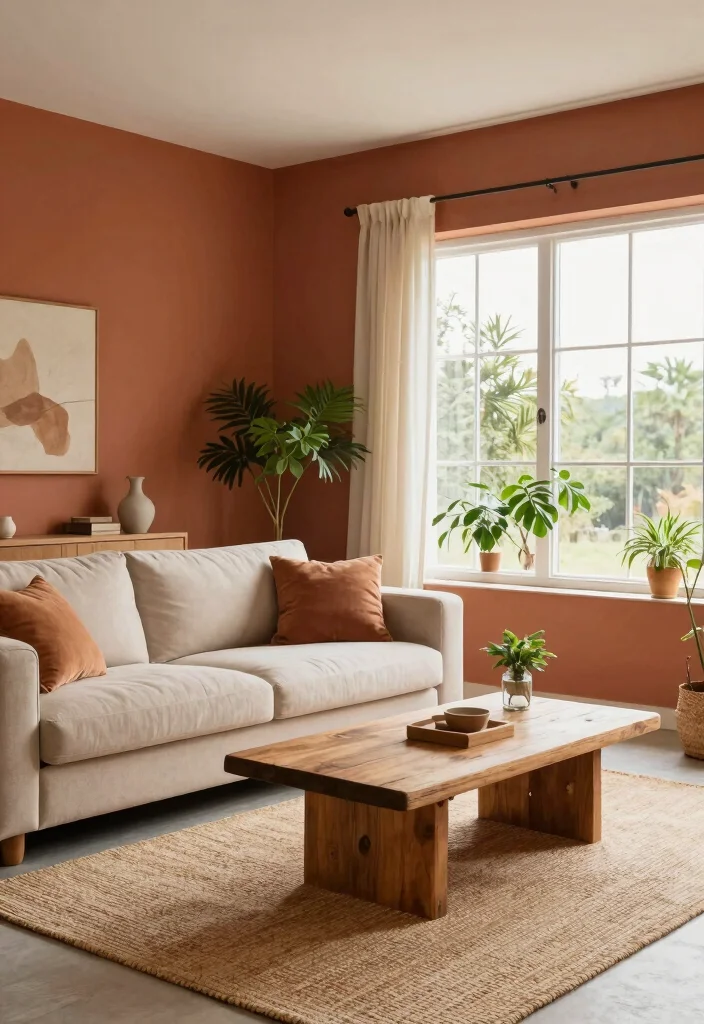
Terracotta brings rich, earthy tones to small living rooms, creating a cozy and grounded atmosphere. This warm color adds depth and character to your space while remaining inviting and comfortable. It’s perfect for those who appreciate a rustic charm that feels intimate.
To implement terracotta effectively, consider using it as an accent wall to create a focal point in the room. Pair it with natural elements like wood and greenery for a harmonious balance.
Explore these ideas for incorporating terracotta:
– Use terracotta on an accent wall for depth.
– Incorporate wooden furniture for warmth.
– Add greenery to enhance the natural vibe.
By introducing terracotta into your small living room, you’ll create an inviting space that feels stylish and welcoming.

4 panels ocean sea beach canvas prints wall art for home decorations wall decor, ready to hang out of box.


GALLERY WRAP: Our gallery wrapped canvas prints are made of high-quality cotton poly blended canvas, printed to perfection, and stretched over a 1.5" depth solid wooden frame. It comes with included hanging hardware making the print art easy to mount.
8. Soft Peach for a Soft Glow
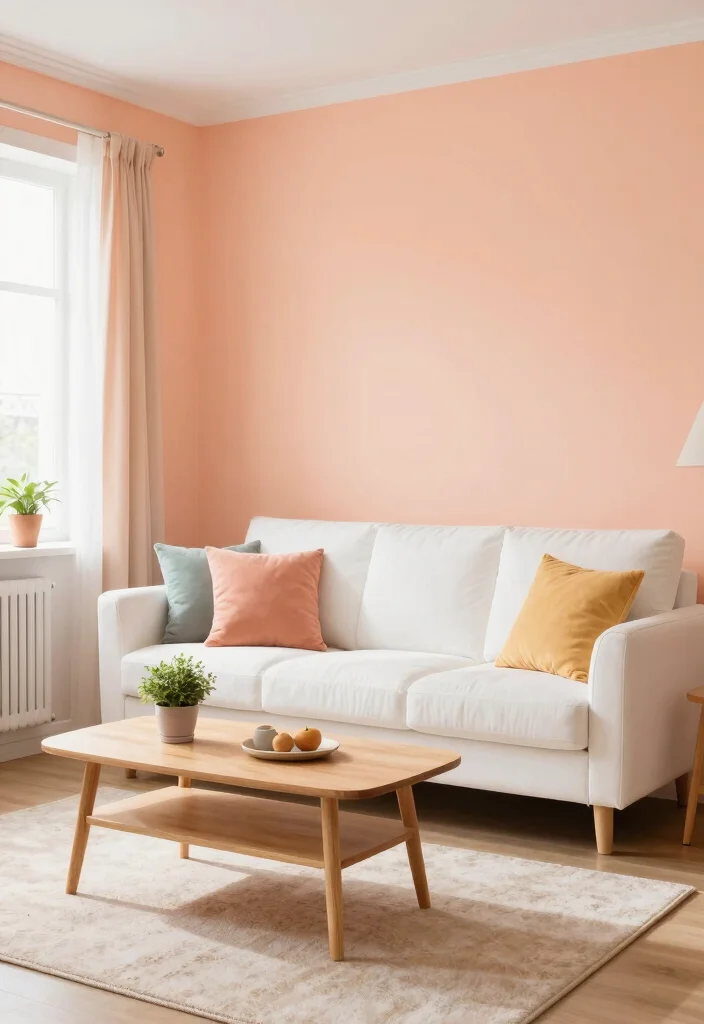
Soft peach is a delightful color that can transform a small living room into a warm and inviting oasis. This gentle hue adds a playful touch while maintaining an elegant vibe, making it ideal for those looking to bring cheerful energy into their space.
To utilize soft peach effectively, paint your walls in this hue and complement them with white furniture for a light, airy feel. Introduce bright accents in pillows and decor items to infuse energy and liveliness.
Consider these strategies to maximize the effect of soft peach:
– Use soft peach on walls for a warm ambiance.
– Pair with white furniture for a cohesive look.
– Add vibrant accents to keep the decor dynamic.
With soft peach in your small living room, you’ll achieve a charming atmosphere that feels fresh and open.

Fabric and Size:Crafted from flannelette fabric with a smooth, comfortable feel. Measures 18 x 18 inches, designed to fit most pillow inserts for sofas, beds, and lounge seating.

SOLD AS 2 PANELS: Each package includes sheer curtains 84 inch length 2 panels set; Each panel measures 42" width, total width is 84", not only wider than ordinary 38" width, but also affordable cost than other extra wide sheer curtains, 42 inches will allow these panels to decorate sufficiently over your windows.

💡【UPGRADE MODERN DESIGN】- With its sophisticated design and round purple shade with classic white base, this bedside lamp is the ideal decorative 3-way touch lamp to change the atmosphere of your home. It is suitable for living room, bedroom, kitchen, study, children's room, teenager's room, meditation room and office, providing you with endless options
9. Light Coral for a Bright, Energetic Space
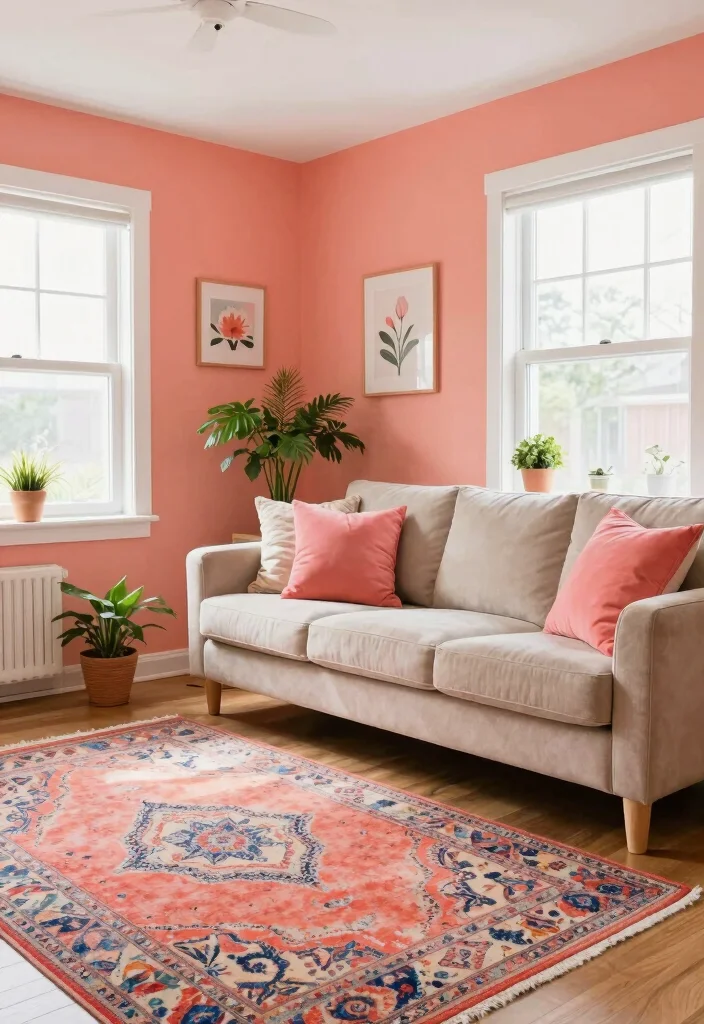
Light coral is a vibrant color that can elevate the mood of your small living room. This cheerful hue brings warmth and joy to the space, creating an inviting and energetic atmosphere. It’s an excellent choice for those who want to add a dash of fun to their decor.
To implement light coral effectively, consider using it as an accent color in accessories like cushions or art pieces. Pair light coral walls with soft creams and whites to maintain a harmonious and balanced look.
Explore these ideas for using light coral:
– Use light coral in accents for vibrant pops of color.
– Pair with soft neutrals for a balanced aesthetic.
– Incorporate light coral in decor items for a cohesive feel.
Light coral can transform your small living room into a bright and lively area that feels both inviting and happy.

VINTAGE BOHO AREA RUG: With its plush high-low piles, this 5x7 area rugs delivers an incredibly comfortable and soft sensation, making it suitable for going barefoot. Lay the carpet over your hardwood floor, and it not only infuses warmth but also turns any room into a snuggle-worthy retreat
100% Blackout Curtains: Our Blackout Curtains ensure a completely dark room, isolate noise and protect privacy. These room darkening curtains can block 100% sunlight.Heavy duty curtains keep heat indoors in winter and discharge heat in summer, thereby reducing cooling and heating costs , While protecting your furniture, floors and artwork from the sun damage
10. Classic Navy Blue for Depth and Contrast
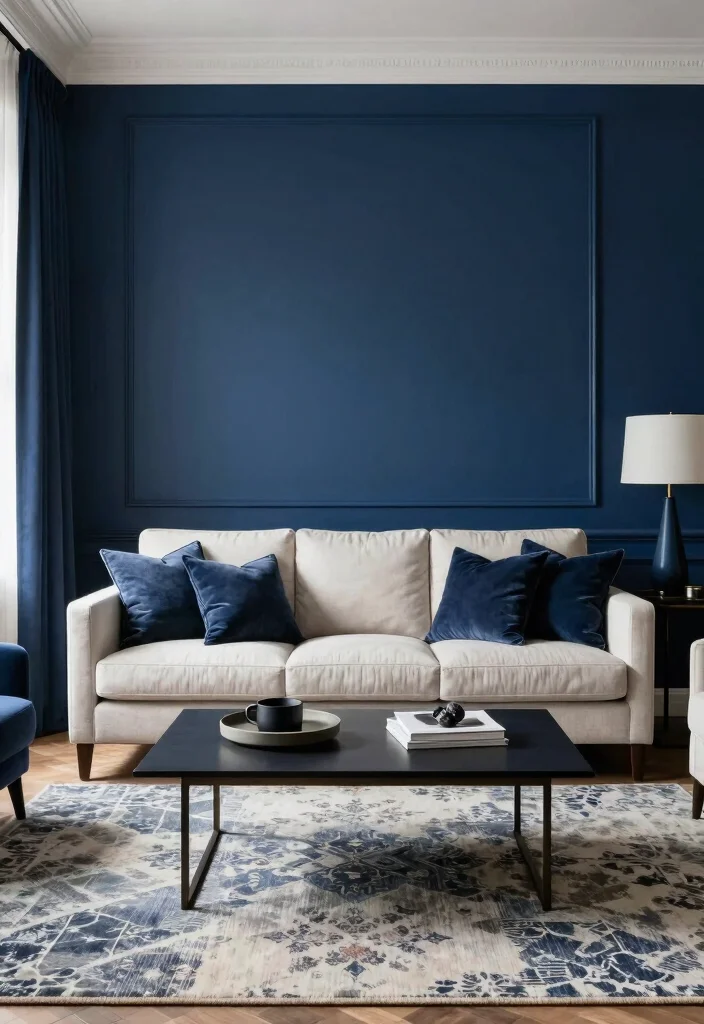
Classic navy blue is a bold choice that adds sophistication and depth to small living rooms. This rich hue creates stunning contrast with lighter furnishings, making the space feel dynamic and stylish. It’s perfect for those looking to make a statement while maintaining an elegant aesthetic.
To implement navy blue effectively, consider using it on an accent wall or with larger furniture pieces to create an impactful design. Incorporating lighter colors in decor can help balance the overall look.
Consider these strategies for using classic navy blue:
– Use navy blue on an accent wall for dramatic effect.
– Incorporate lighter colors in decor to balance the depth.
– Pair with gold accents for a touch of luxury.
With classic navy blue in your small living room, you’ll achieve a chic and modern atmosphere that feels both spacious and grounded.
11. Gentle Sage Green for a Natural Vibe
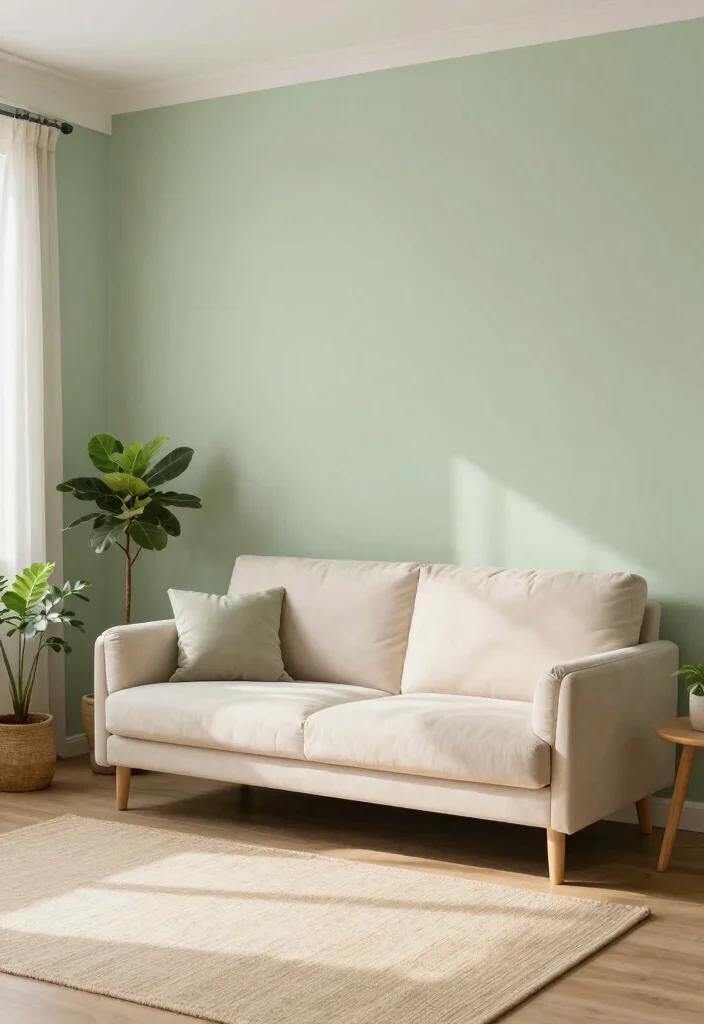
Gentle sage green is a soft, muted color that brings a refreshing vibe to small living rooms. This soothing hue evokes a sense of tranquility, making it perfect for creating a peaceful atmosphere. By embracing sage green, you can seamlessly incorporate nature into your decor.
To maximize the impact of sage green, consider using it on walls or as an accent color in furnishings. Incorporating plants and natural materials can enhance the overall ambiance and create a cohesive look.
Explore these ideas for using gentle sage green:
– Use sage green on walls for a calming backdrop.
– Incorporate wood and plants for a natural feel.
– Add textures through fabrics to enhance warmth.
Gentle sage green can transform your small living room into a peaceful oasis, inviting relaxation and serenity throughout your space.
12. Soft Gold for a Touch of Luxury
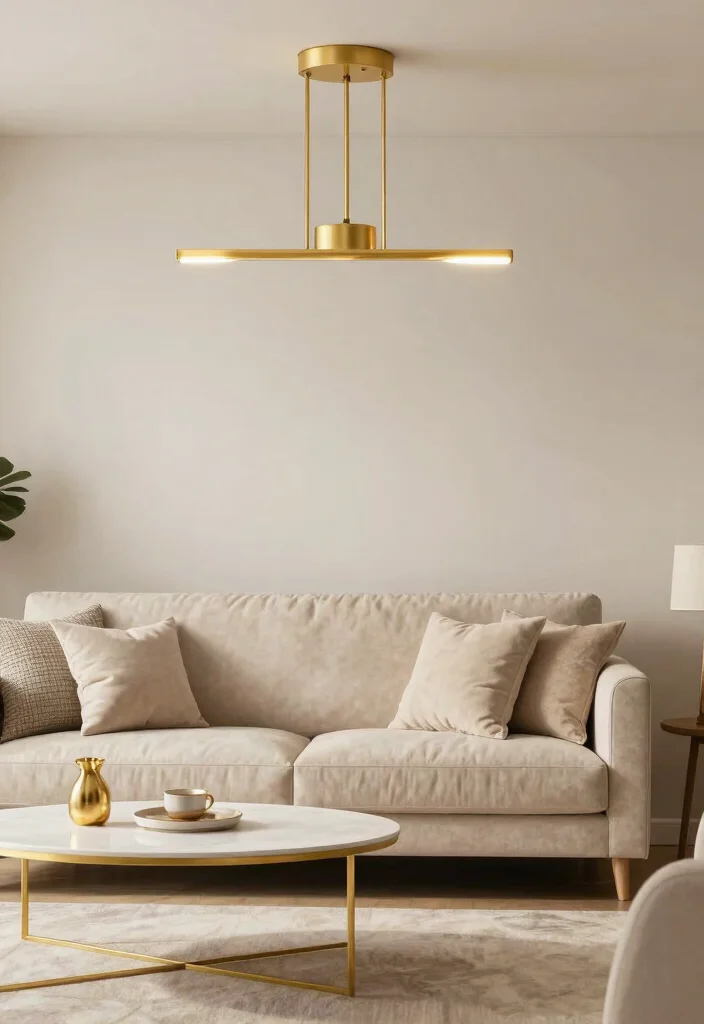
Soft gold is an unconventional yet stunning choice for small living rooms, adding warmth and sophistication. This luxurious shade can elevate your space, making it feel elegant and inviting. It’s perfect for those wanting to bring a touch of glam to their decor without overwhelming the senses.
To implement soft gold effectively, incorporate it in furniture pieces or light fixtures for a chic touch. Layering soft gold with neutral tones can create a balanced and refined aesthetic.
Consider these tips for using soft gold:
– Use soft gold in light fixtures for a stylish accent.
– Pair with neutral colors to balance richness.
– Incorporate gold in decor items for subtle luxury.
Introducing soft gold can elevate your small living room while maintaining a minimalistic charm that feels luxurious.
13. Dusty Rose for Soft Romance
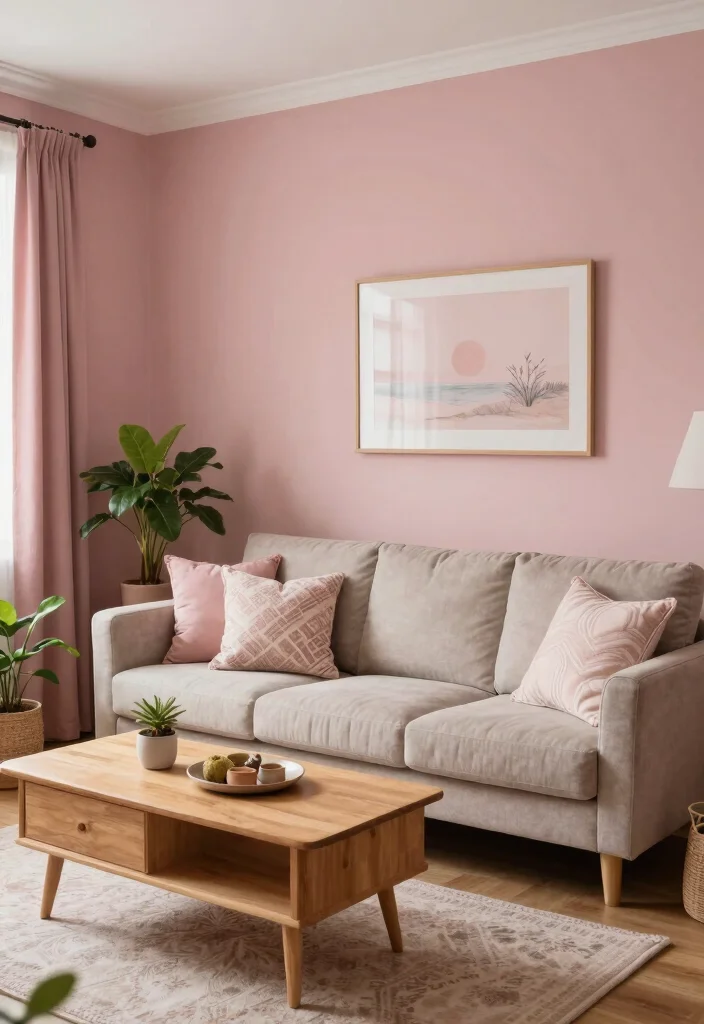
Dusty rose brings a beautifully muted color to small living rooms, adding romantic charm without being overly feminine. This soft hue creates a warm and inviting atmosphere, striking a perfect balance between cozy and stylish. Dusty rose pairs well with both light and dark accents, allowing for versatile decor options.
To maximize the impact of dusty rose, consider using it on walls and balancing it with neutral furniture for a harmonious look. Incorporating deeper hues in accessories can add visual interest and depth.
Explore these ideas for using dusty rose:
– Use dusty rose on walls for a warm backdrop.
– Pair with neutral furniture for a balanced aesthetic.
– Incorporate deeper shades in accents for added depth.
With dusty rose in your small living room, you can create a space that feels warm, inviting, and effortlessly stylish.
14. Subtle Charcoal for Deep Contrast
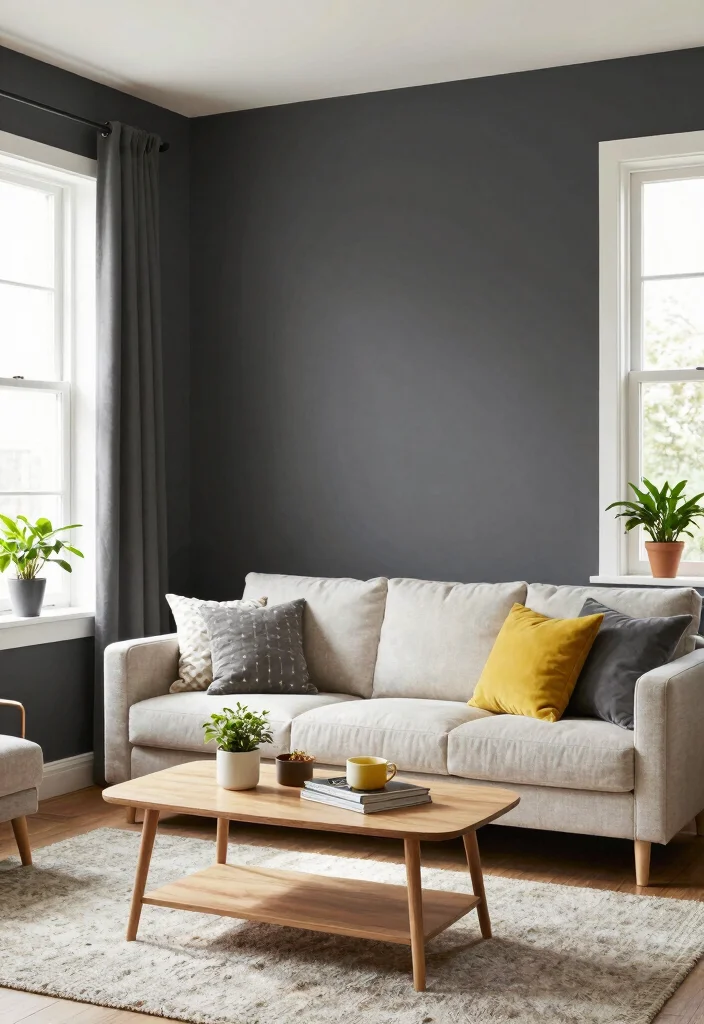
Subtle charcoal introduces sophisticated depth to small living rooms, enhancing the overall aesthetic without making the space feel dark or cramped. This rich color highlights architectural features and creates an intimate environment, perfect for cozy gatherings.
To implement subtle charcoal effectively, consider using it on an accent wall or in furniture pieces to create impact. Incorporating light-colored accessories can help balance the richness of the color, ensuring the space feels bright and inviting.
Explore these strategies for using subtle charcoal:
– Use charcoal on an accent wall for dramatic effect.
– Incorporate light accessories to enhance brightness.
– Pair with warm tones for a balanced feel.
By introducing subtle charcoal, you can create a chic, inviting atmosphere that feels both spacious and stylish.
15. Bright White with Bold Accents
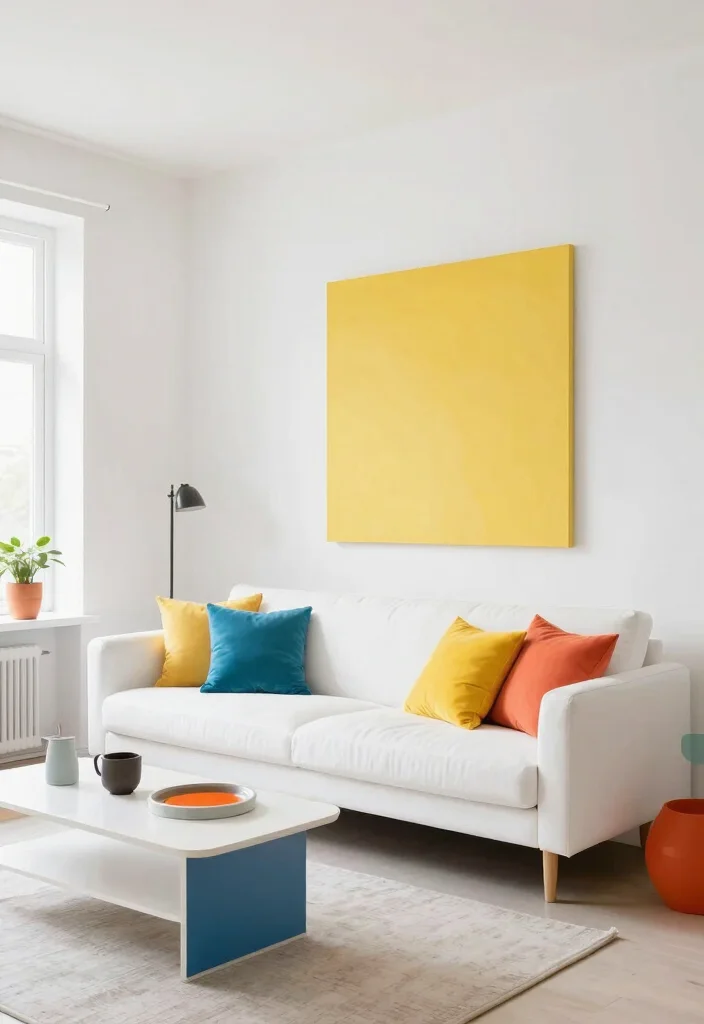
Bright white serves as a classic and timeless choice for small living rooms, contributing to an airy and spacious feel. When paired with bold accent colors, it creates a striking contrast that energizes the room while preserving a minimalist aesthetic.
To maximize the effect of bright white, consider painting your walls in this shade and incorporating vibrant colors in your furniture or decor. Mixing textures and patterns can keep the space dynamic while maintaining simplicity.
Explore these ideas to enhance your bright white decor:
– Use bright white on walls for a fresh look.
– Incorporate bold colors in furniture for energy.
– Mix various textures to create visual interest.
Bright white can transform your small living room into a lively, open space that feels inviting and modern, perfect for any minimalist design.
16. Ocean Teal for a Splash of Color
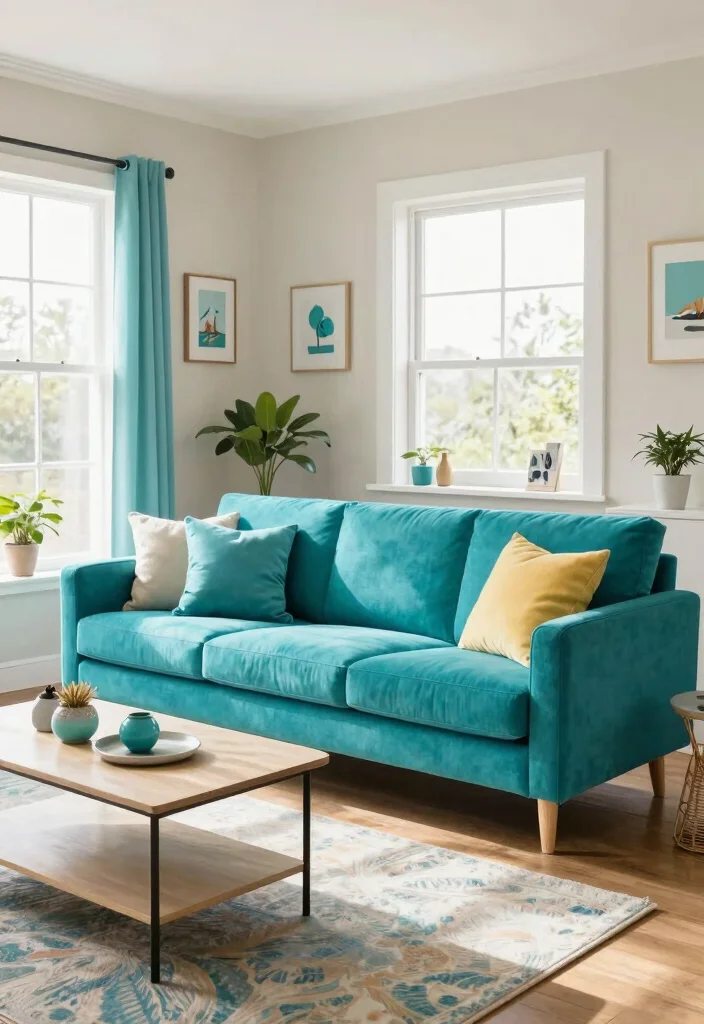
Ocean teal is a vibrant yet calming color that can make a bold statement in small living rooms. This lively hue adds a refreshing splash of color while still feeling serene and inviting, making it ideal for those who want to break away from traditional palettes.
To incorporate ocean teal effectively, consider using it in accent furniture or decor to create vivid pops of color. Pairing it with lighter tones ensures the room feels spacious and balanced.
Explore these ideas for using ocean teal:
– Use ocean teal in furniture for vibrant accents.
– Pair with lighter colors to maintain openness.
– Incorporate natural elements for a harmonious feel.
By integrating ocean teal, you can create an exciting and vibrant small living room that feels both energetic and welcoming.
Fun fact: Ocean teal accents in small living room colors can visually expand the space by up to 25% when paired with airy neutrals. Use it on a single chair or cushions to add color without overwhelming the room.
17. Light Willow Green for a Soft Touch
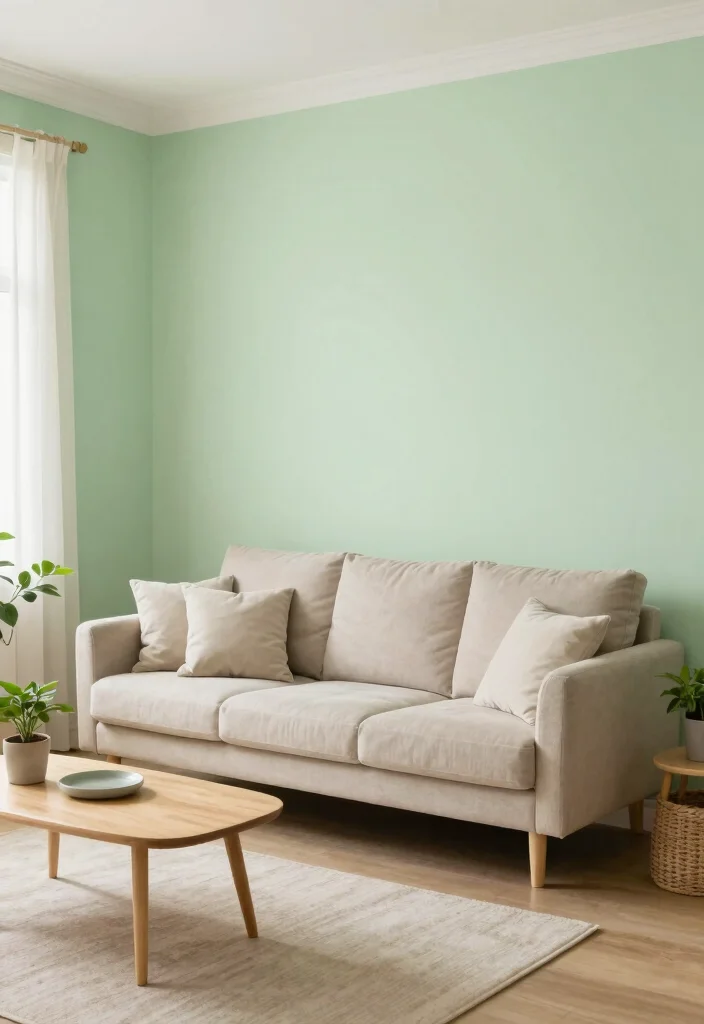
Light willow green is a soft, muted color that creates a gentle and soothing atmosphere in small living rooms. This refreshing hue feels calm and tranquil, making it an excellent choice for those looking to create a serene retreat away from daily stress.
To maximize this color’s impact, consider using it on walls to create a calming backdrop. Incorporating natural materials like wood and plants can enhance the ambiance and promote a sense of peace.
Explore these ideas for using light willow green:
– Use light willow green on walls for a serene backdrop.
– Incorporate natural wood and plants for a cohesive look.
– Add textures through fabrics to enhance warmth.
Light willow green can transform your small living room into a peaceful oasis, inviting tranquility and warmth throughout your space.
Conclusion
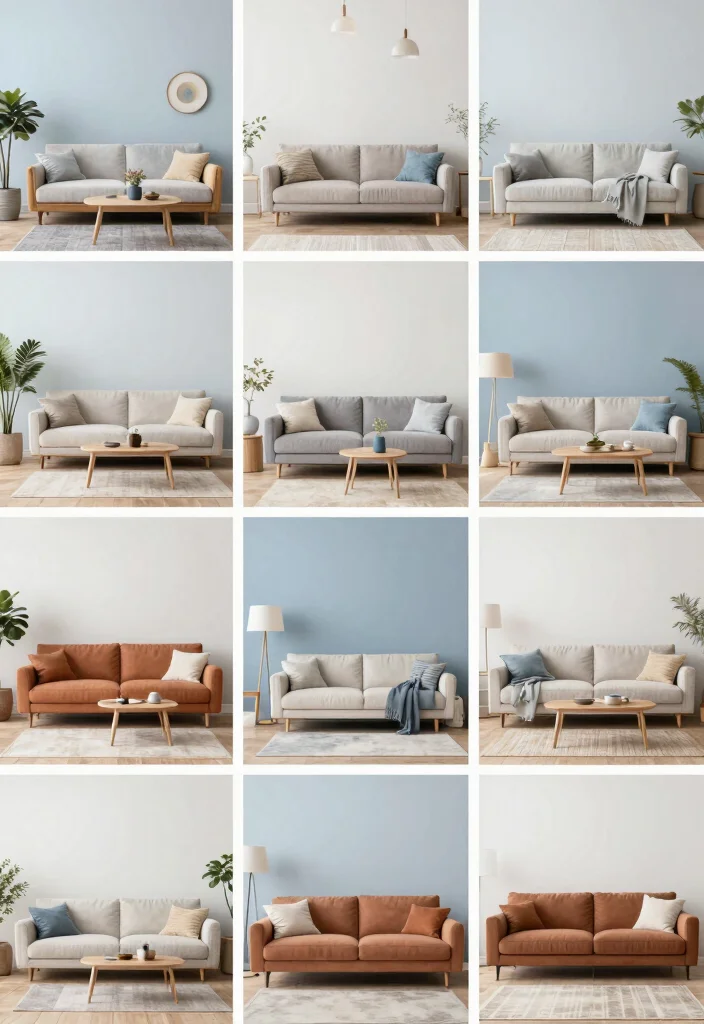
Choosing the right colors for your small living room is essential in creating a space that feels open, inviting, and aligned with your minimalist aesthetic. From soft whites to bold ocean teals, each shade offers unique benefits and opportunities for design creativity. Experiment with combinations that resonate with you, and don’t be afraid to use color to express your style!
The right palette can make your cozy retreat feel expansive and delightful. Happy decorating!
Frequently Asked Questions
What are the best small living room colors to make a space feel bigger?
For small living rooms, start with light, reflective hues to enlarge the feel of the space. Think small living room colors like soft whites, warm beiges, pale greys, or creamy tones. These space-enhancing colors bounce light and pair well with natural daylight. Keep ceilings bright with a crisp white, and choose a single dominant wall color to create a cohesive feel. A subtle satin or eggshell finish on walls can boost light reflection. Then bring in personality with small space decor through cushions, rugs, and art in a restrained color punch. Aim for a simple living room color schemes of 2–3 neutrals so the room reads airy rather than busy.
How can I create a minimalist living room color scheme that still feels warm?
Go with 2–3 neutrals as the backbone, and stage a warm accent with small space decor items in a single color or two. Materials matter: natural textures like wood, linen, and woven fibers add warmth without clutter. Choose a living room color schemes that lean toward warm whites, taupe, sand, or greige; avoid overly stark combos that feel cold in a small room. Put your color punch into a few well-chosen accessories and art, not every surface. This keeps the space calm while still feeling inviting and cohesive.
Which colors should I avoid in a small space and why?
Avoid heavy, saturated shades on all walls these space-enhancing colors can swallow light and shrink the room visually. Deep blacks or jewel tones on large surfaces create heavy shadows in a compact area. If you love drama, reserve dark walls for an accent wall or use them in small doses in small space decor like cushions or a lamp shade. And test color in your room’s natural light before committing; what looks great in a swatch may feel oppressive in a north-facing corner.
How do I balance color with furniture in a tiny living room?
Let color live on the walls and keep furniture light and leggy to maximize sightlines. Use space-enhancing colors on the walls or on large furniture pieces sparingly, and choose white, cream, or pale gray upholstery if possible. Pick living room color schemes that coordinate with your small space decor palette, then bring in contrast with a few textiles in a slightly richer tone. Define zones with a rug in a calm color, and let the furniture feet show to keep the space feeling airy. This practical approach makes the room feel bigger without sacrificing style.
How can I apply color psychology in interiors to a small living room?
Color psychology in interiors matters even in small spaces. Use airy neutrals to create a calm, open feel that makes the room appear larger and more breathable. Then add pops of color through accessories or an accent chair in a mood-boosting hue (think soft blues for serenity or gentle greens for balance). The key is restraint: let the psychology-driven color highlight come from small space decor rather than overwhelming the walls. Test how a hue feels in different lights, and adjust to keep the room aligned with your goals for openness, comfort, and productivity.
Related Topics
home decor
small living room colors
minimalist aesthetics
space-enhancing colors
color psychology
small space decor
living room color schemes
small room design
easy updates
modern design
budget friendly
beginner tips