Creating a backyard pond can be one of the most rewarding DIY projects you embark on. There’s something magical about the soothing sound of water, the gentle movement of aquatic plants, and the wildlife that comes to visit. However, many people feel limited by the need for electricity to pump water or filter it. That’s why I put together this list of 15 backyard pond ideas that don’t need a power line. You can bring beauty and tranquility to your outdoor space without the hassle of wiring or electricity.
If you’re passionate about gardening or looking to create a serene escape right in your backyard, this guide is for you. Whether you live in a small space and need ideas for manageable, small backyard ponds or want to create eco-friendly natural ponds that support local wildlife, you’ll find something here to inspire you. I’ve gathered a mix of creative designs that are not only low-maintenance but also enhance your garden’s aesthetic and biodiversity.
In this post, you’ll discover a variety of pond ideas that are simple to implement and can transform your space. From whimsical container water gardens to artistic mosaic ponds, each concept brings its own charm and character. So grab your gardening gloves and let’s dive into some pond magic!
Key Takeaways
– Discover 15 unique backyard pond ideas that don’t require electricity, making them easy to set up and maintain.
– Explore different designs, such as a Miniature Zen Garden Pond and a Wildlife Habitat Pond, perfect for any garden style.
– Learn about low-maintenance water features that support local wildlife while enhancing your garden’s beauty.
– Get inspired by DIY pond landscaping tips that allow you to customize your space without extensive resources.
– Enjoy eco-friendly options, including natural swimming ponds and edible water plants ponds, that contribute to a sustainable garden.
1. Miniature Zen Garden Pond
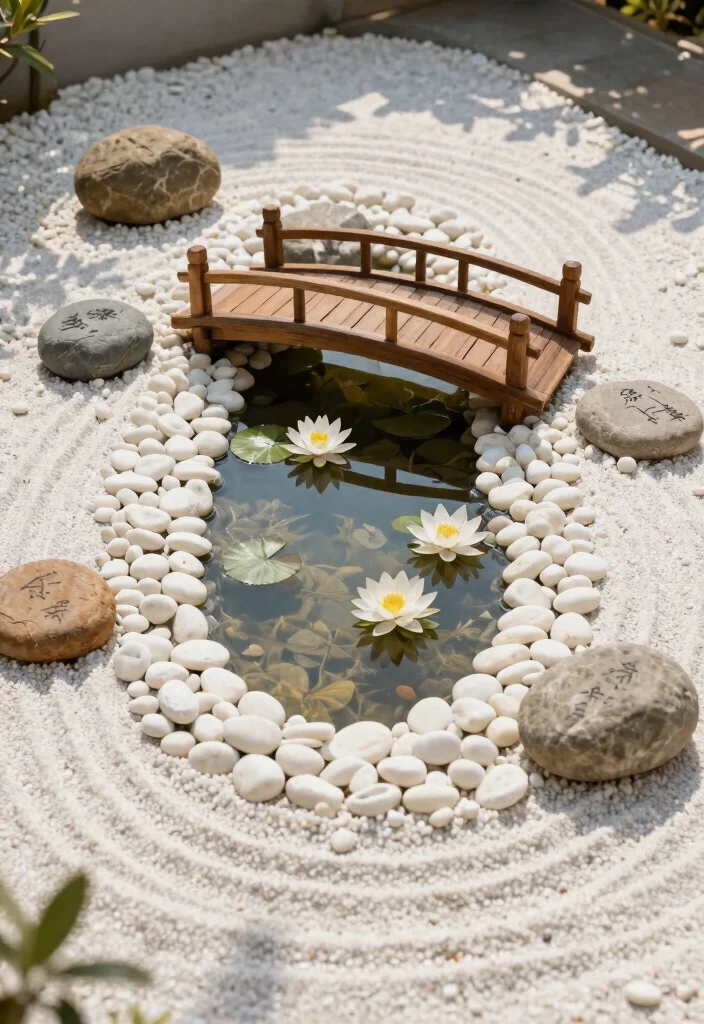
Imagine a tranquil escape right in your backyard with a miniature Zen garden pond. This charming water feature offers a perfect blend of simplicity and peace, inviting relaxation into your outdoor space. By using a small container or pre-formed pond liner, you can create a serene oasis filled with smooth pebbles, fine sand, and delicate aquatic plants like water lilies or lotus flowers. The minimalist design reflects Zen principles, enhancing mindfulness and calmness in your life.
Begin by selecting a container that suits your style and space. Simple touches like a small wooden bridge or carefully arranged stones can elevate the aesthetic and create a peaceful pathway. This setup is not only visually appealing but also low maintenance, allowing you to enjoy its beauty effortlessly.
Key elements to consider:
– Choose light-colored stones for a striking contrast against dark water.
– Add a solar fountain for gentle water sounds without electricity.
– Include personalized ornamental stones with inscriptions for a special touch.
This pond style transforms small spaces into serene retreats, promoting a sense of tranquility and harmony.
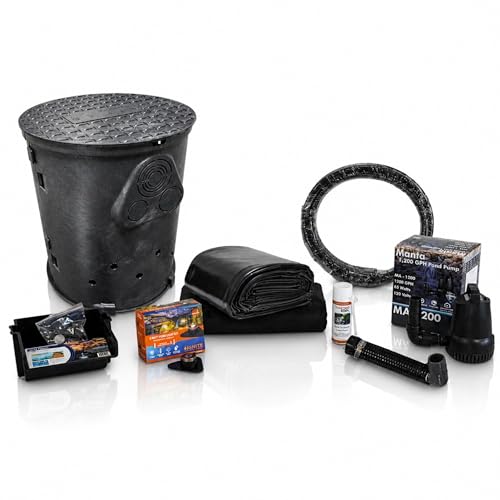
Industry Leading Materials - This pond free kit contains professional components from leading manufacturers, and is engineered to create a beautiful, low-maintenance backyard garden oasis.
2. Wildlife Habitat Pond
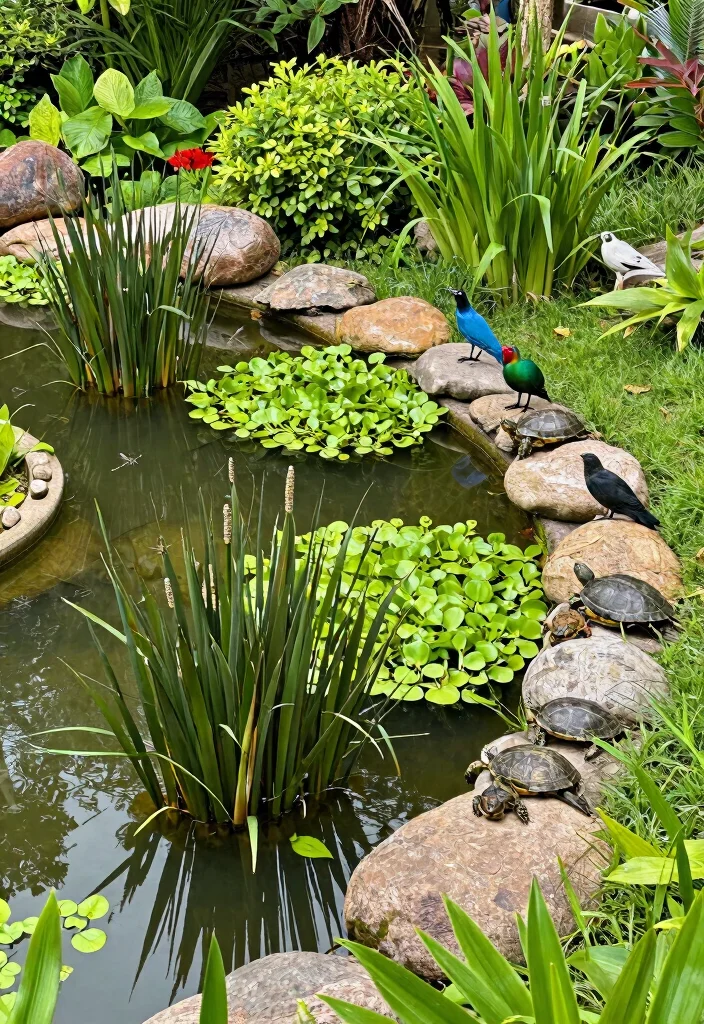
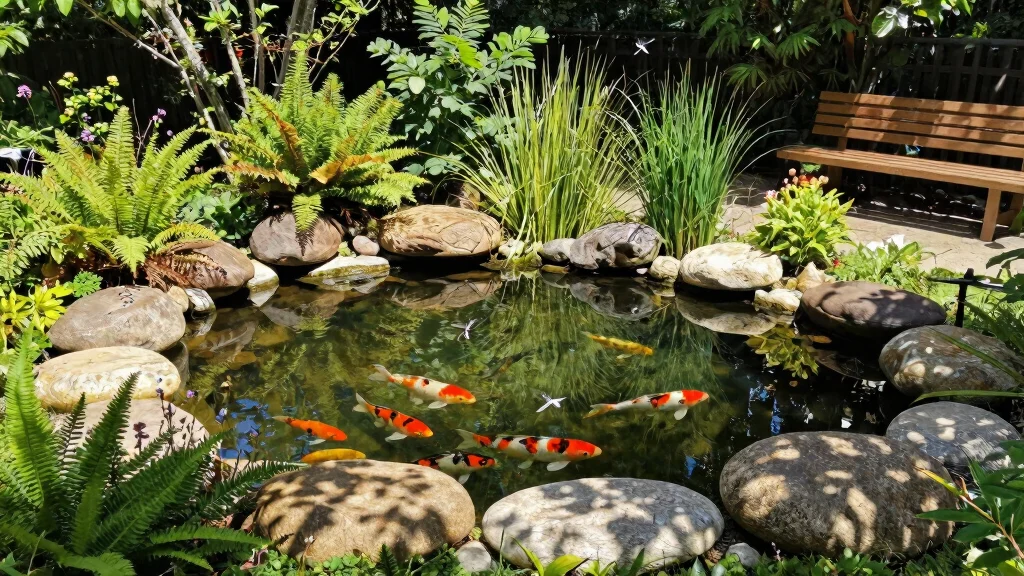
Create a vibrant backyard ecosystem with a wildlife habitat pond that attracts local fauna. This pond not only beautifies your garden but also supports biodiversity, giving frogs, birds, and beneficial insects a place to thrive. By designing a pond with varying depths, you can create ideal conditions for wildlife to flourish.
Using natural materials like rocks and logs helps mimic a shoreline that encourages animals to visit. Incorporate native aquatic plants that provide food and shelter, enhancing the habitat further. This project is a wonderful way to connect with nature right outside your door.
Essential features for your pond:
– Include shallow areas for frogs to bask and lay eggs.
– Plant a mix of cattails, water hyacinths, and arrowhead to attract insects and birds.
– Add log piles nearby to create safe homes for small animals.
A wildlife habitat pond fosters a thriving ecosystem, enriching your backyard experience while supporting local wildlife.

LATEST SOLAR POWERED FOUNTAIN: Mademax bird bath fountain with 100% full solar panel to reach 3.5W power. The solar birdbath fountain only needs 3 seconds to operate automatically in direct sun, with a spray height of 4–27.5 inches (10-70cm). No electricity or battery needed. What an Eco- Friendly and stable product! The most important this will attract a lot of hummingbirds to your garden

SOLAR POWERED FOUNTAIN PUMP: Mademax solar birdbath fountain only needs 3 seconds to operate automatically in direct sun, with a spray height of 4–27.5 inches (10-70cm). No electricity or battery needed. (Solar fountains does not store energy, can not work on cloudy days or night, please make sure the product is used in direct sunlight, and it is recommended to use it in clean water, which will prolong the life of the product

⚡ 【High-Efficiency 8W Solar Panel】Solar fountain pump powered by an 8-watt high-efficiency solar panel, this solar water pump harnesses maximum solar energy to keep your bird bath, small pond, or garden water feature flowing continuously—no external power source needed. Perfect for eco-conscious gardeners looking to create a lively, self-sustaining outdoor oasis. Note: No battery backup, so it won’t operate at night or during heavy cloud cover.
3. Natural Swimming Pond
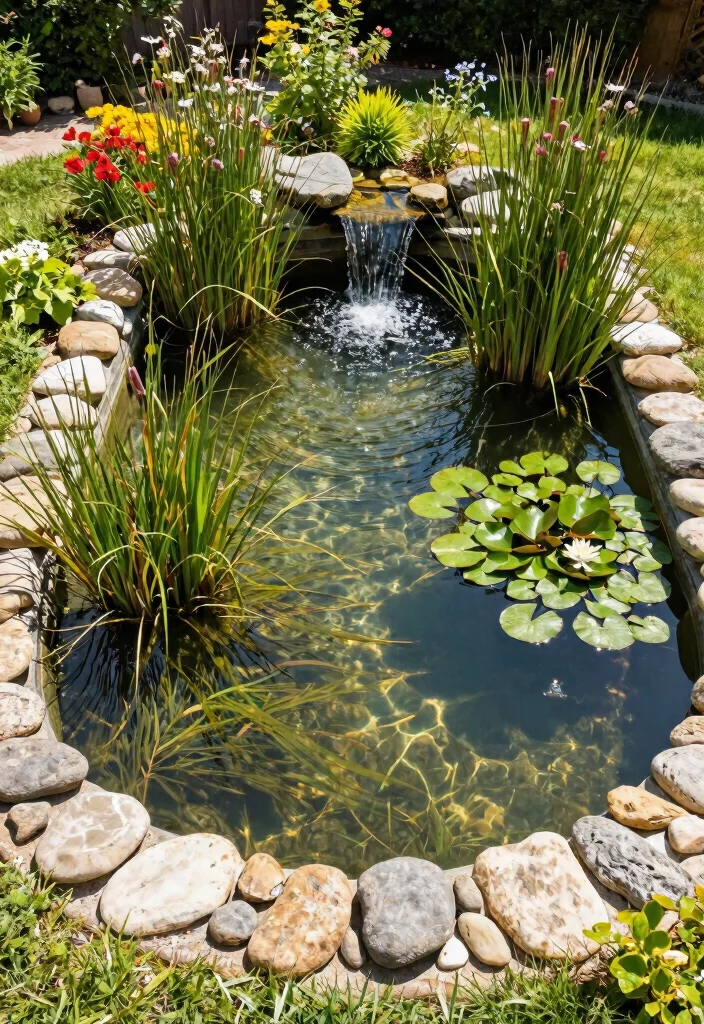
Dive into the refreshing world of a natural swimming pond, where you can enjoy swimming without chemicals. This eco-friendly option features a swimming area and a regeneration zone filled with aquatic plants, cleaning the water naturally. You can swim and relax while knowing you’re being kind to the environment.
Create a clean and clear pond by utilizing biological filtration with native plants like bulrushes and water lilies. Design the regeneration area with rocks and gravel, allowing plants to filter the water effectively. Keeping the swimming section shallow ensures warmth and safety for all ages.
Key steps for your natural pond:
– Use native plants for efficient natural filtration.
– Design the regeneration zone to maximize water purification.
– Ensure the swimming area is shallow for comfort and safety.
With a natural swimming pond, you gain a stunning water feature that promotes a healthy ecosystem while offering delightful swimming experiences.
Did you know a natural swimming pond can stay chemical-free all season? A healthy regeneration zone with bulrushes and water lilies handles up to 70% of pollutants, letting you swim freely while your backyard pond ideas stay eco-friendly.

NO DIG NATURE POOL - Easy to build, parts click and fit together easily to set up in under an hour!

Add a whimsical touch or create a focal point and water movement to existing ponds, water features, or container water gardens
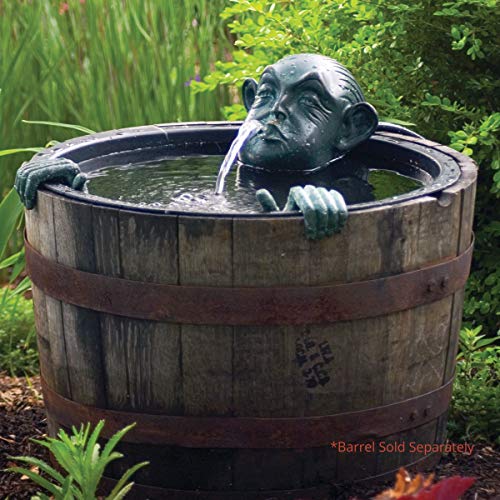
Add a whimsical touch or create a focal point and water movement to existing ponds, water features, or container water gardens
How To Choose The Right Backyard Pond Ideas
When it comes to designing your backyard pond, making the right choice is essential. With so many options, you want to ensure your pond fits your space, style, and needs. Here are some key criteria to consider:
1. Size
Think about the space available in your backyard. A small backyard pond can be a charming addition without overwhelming your yard. Measure the area you want to use, allowing for plants and seating around the pond. A pond that is too large can dominate the space, while one that is too small might feel out of place. Aim for a size that complements your outdoor area.
2. Design Style
Consider what type of pond aesthetic appeals to you. Do you prefer a natural look with lots of plants, or a more structured approach like a miniature Zen garden pond? Look at different natural pond designs, such as wildlife habitat ponds or artistic mosaic ponds, to find one that suits your taste and blends with your home’s architecture. Your pond should feel like a part of your garden, not an afterthought.
3. Maintenance Level
Evaluate how much time you want to spend maintaining your pond. Some designs, like DIY stone-lined ponds, can be low-maintenance, while others may require regular upkeep. If you want more time to relax and enjoy, consider options like small backyard ponds filled with native plants that thrive naturally. Always choose low-maintenance water features if you have a busy lifestyle.
4. Water Source
Next, think about how you’ll fill and maintain the water level in your pond. Will it rely on rainwater, or do you need a hose to refill it? Some eco-friendly garden ponds use rainwater collection systems, which can be beneficial both for the environment and your water bill. Determine what works best for your situation and climate.
5. Wildlife Consideration
If you want your pond to attract wildlife, include elements like shallow areas for frogs and plants for fish. A wildlife habitat pond can become a vibrant ecosystem. Consider adding features that support local flora and fauna, making your backyard a haven for birds and beneficial insects. Always keep in mind that a thriving pond ecosystem will require certain plants and care, so plan accordingly.
6. Budget
Finally, consider your budget. Costs can vary significantly based on the materials you choose and whether you plan to DIY. Some simple container water gardens can be very affordable, while elaborate ponds with waterfall features may require a more substantial investment. Set a realistic budget that takes into account both initial setup and ongoing maintenance costs.
Pro Tip: Start small! If you’re new to pond creation, begin with a small backyard pond or a container water garden. You can always expand later as you learn more about how to maintain and enjoy your pond. This way, you’ll gain experience and confidence without overwhelming yourself from the start.

【Natural Perlite Floating Particles】 White floating particles may appear after soaking—this is pure natural perlite, a lightweight mineral material commonly used in planting media. It is safe for plants and fish when used as directed, and may gradually settle, disperse, or break down into smaller inert particles over time. This is normal and not dirt or contamination, so you can use it with confidence


Aquatic planter designed to enhance plants in ponds and water gardens
4. Rain Garden Pond
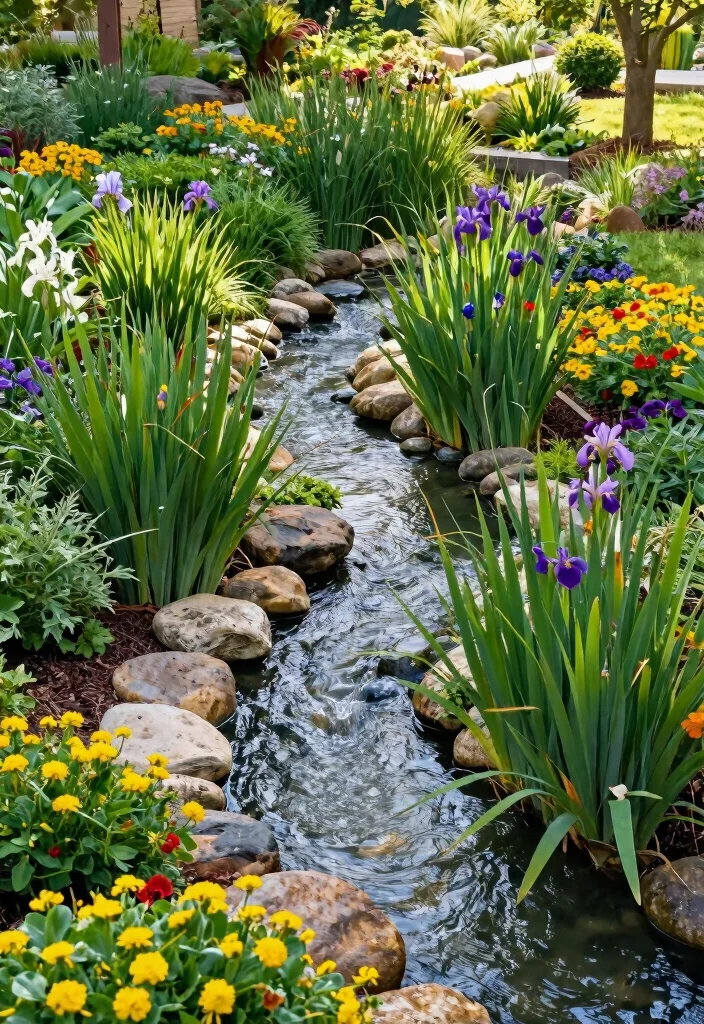
Transform rainwater runoff into a beautiful rain garden pond that captures and utilizes nature’s resource. Instead of allowing rain to wash away, create a pond that collects stormwater, filtering and absorbing it effectively. By incorporating native plants that thrive in wet conditions, you can establish a vibrant ecosystem while combating soil erosion.
This eco-friendly solution not only enhances your outdoor space but also contributes to water conservation. Build your pond with raised edges to define the area and prevent overflow. Consider adding a small dry creek bed for a charming visual element.
Key features to implement:
– Use native irises and sedges for beauty and structure.
– Design raised edges to help manage rainwater effectively.
– Include a dry creek bed for added interest and functionality.
With a rain garden pond, you can create an attractive feature while promoting sustainability and enhancing your landscape.
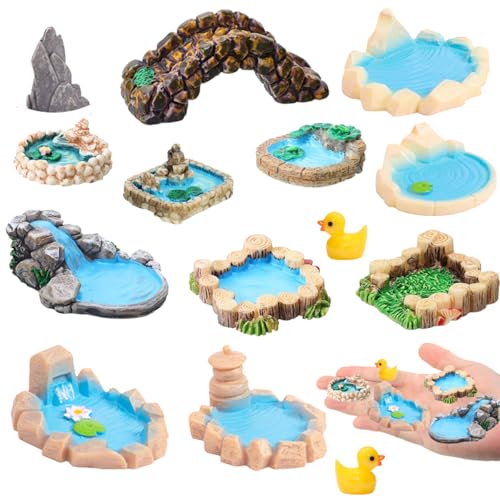
Fairy Garden Pond Set: Includes 15 variety mini pond kits, supplies to decorate little fairy gardens

Made from durable Polynesian
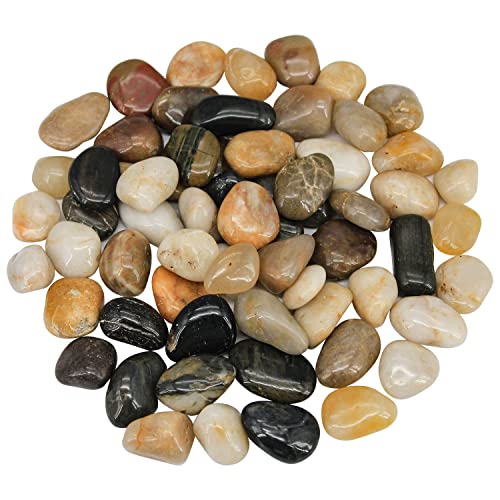
【Natural Decorative Stones】 VIREKM Outdoor/indoor Decorative Stones are natural lightly polished for smooth effect, comes in a variety of natural colors,Resists fading for long-lasting beauty. The color of this Outdoor/indoor Decorative Stones is natural so it may include a variety of different shades of browns, whites and black rocks.
5. DIY Stone-Lined Pond
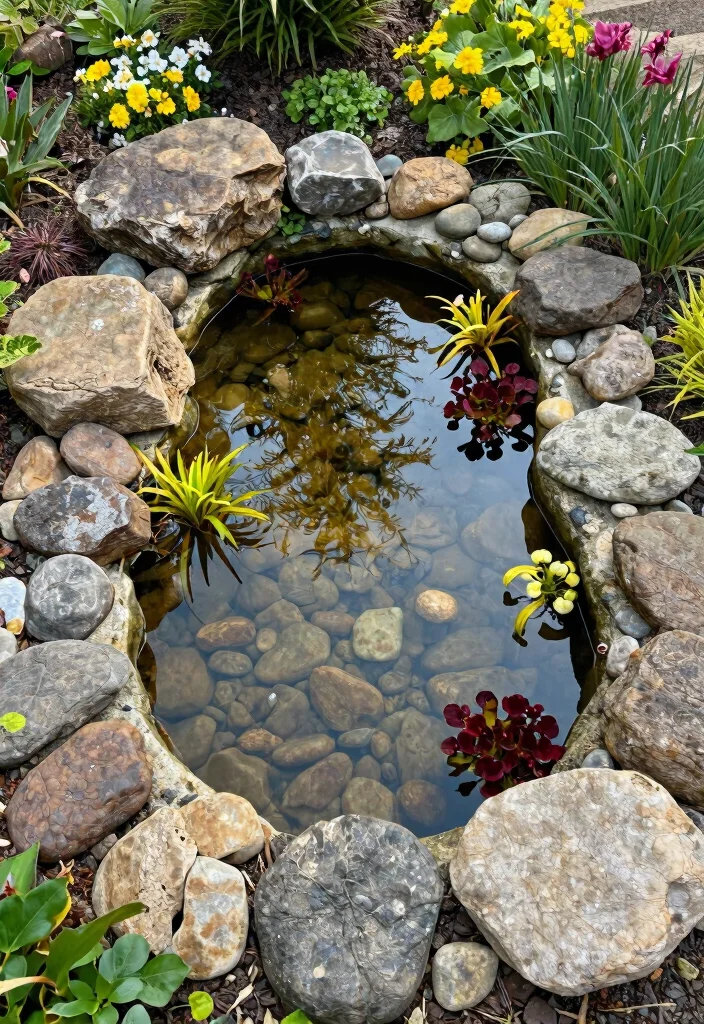
Enhance your backyard’s rustic appeal with a DIY stone-lined pond that reflects your personal style. Using locally sourced stones, you can craft a stunning pond that complements your garden’s landscape. The natural beauty of the stones not only adds charm but also helps regulate water temperature.
This pond design allows for flexibility, whether you prefer a simple or elaborate setup. Choose smooth river stones for a polished look or rough-hewn boulders for a more rugged appearance. You can even embed plants directly into the stones for a natural effect.
Important considerations for your pond:
– Select stones that match your desired aesthetic.
– Add a variety of pebbles to create texture around the edges.
– Consider integrating plants into the rocks for a seamless look.
A DIY stone-lined pond enhances your garden’s character, offering a serene spot for reflection and connection with nature.
Fun fact: a stone-lined backyard pond can stabilize water temperature within about 5–8°F, reducing heat stress for wildlife. Use locally sourced stones for textures you love—river stones for polish, rough boulders for rugged charm, and bring your backyard pond ideas to life.

THICKER - Pond liner 20 mil, thick pond liners for outdoor ponds; Ultra-durable yet lightweight, easy to install, while flexible for a variety of creative designs

Industry Leading Materials - This pond free kit contains professional components from leading manufacturers, and is engineered to create a beautiful, low-maintenance backyard garden oasis.
6. Container Water Garden
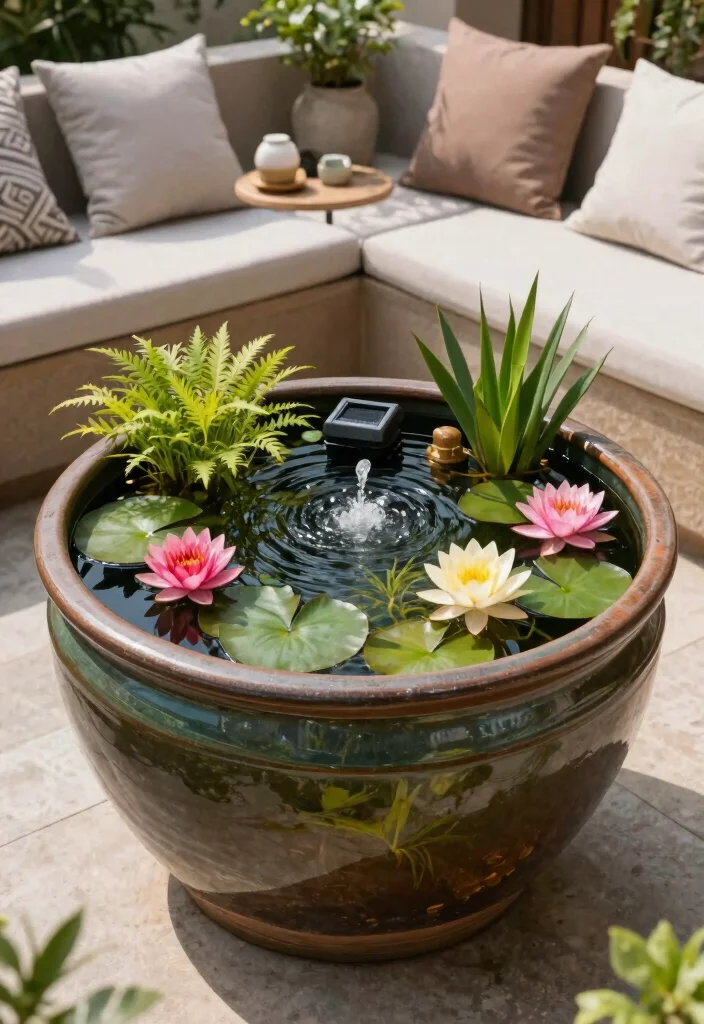
Make the most out of your outdoor space with a container water garden that brings charm without hassle. This idea is ideal for small backyards or patios, allowing you to enjoy the beauty of water in a compact setup. By using large pots or containers, you can create a lively water garden filled with colorful aquatic plants and a charming water feature.
This low-maintenance solution lets you enjoy the soothing presence of water effortlessly. Opt for durable materials like ceramic or fiberglass to ensure longevity. Mixing floating lilies with submerged plants will add diversity and filtration to your garden.
Key tips for your container water garden:
– Choose strong materials for your containers.
– Select a variety of plants for visual interest.
– Add a decorative stone or solar fountain for charm.
A container water garden introduces a calming water element that enhances your space with minimal effort.

SOLAR BIRDBATH FOUNTAIN KIT: The fountain pump is solar powered, can be used almost anywhere at home (backyard, garden, patio, pool ,etc), as long as there is enough sun. The most important this will attract many birds to your garden, providing them with a cold drink or a quick soak

Environment-Friendly Design: This solar fountain is an extremely competent Solar Water Pump. This fountain is controlled by solar power completely. The Outdoor Submersible Fountain needn't any battery or electricity.This fountain does not store energy and is powered entirely by direct sunlight;It will stop working on cloudy, rainy days.

【PERFECT AFTER-SALES SERVICE】If for any reason you are not completely satisfied with your purchase, or encounter any problems during use,you can click the "contact seller" button to send an email to us, and We will provide you with a satisfactory solution within 12 hours.
7. Floating Pond Islands
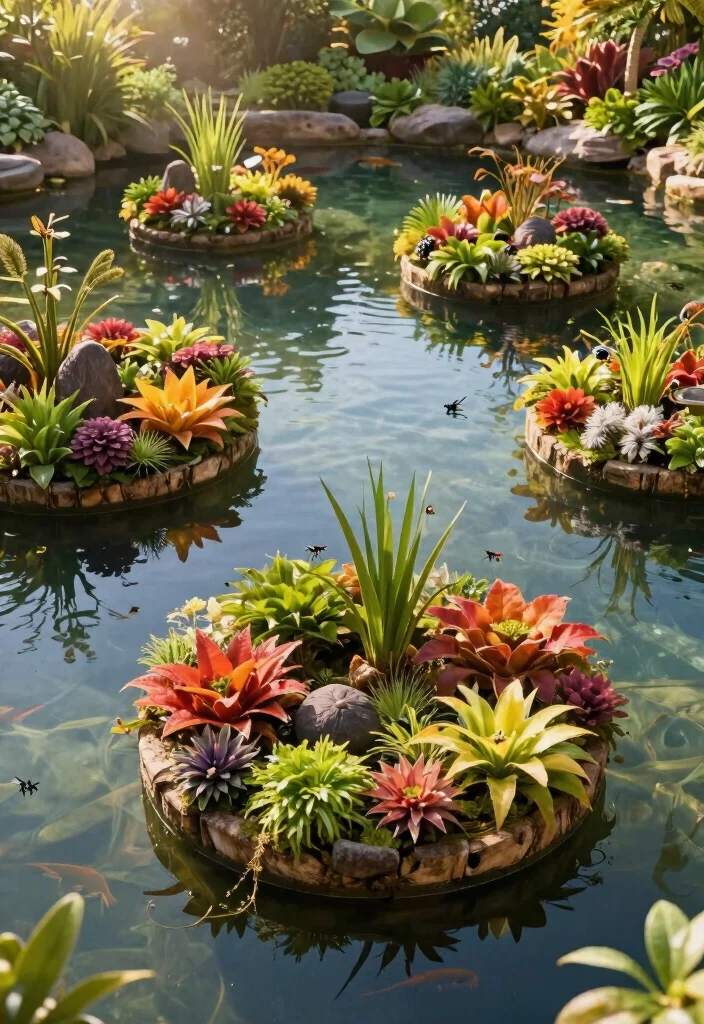
Introduce biodiversity and visual appeal to your pond with floating islands that act as mini ecosystems. Made from natural materials like wood or coconut coir, these islands can be filled with an assortment of plants. They not only beautify your pond but also provide shelter and food for local wildlife, making them an eco-friendly addition.
Positioning floating islands strategically can create visual balance while attracting pollinators. These features enhance the ecological value of your pond while adding charm to your outdoor space.
Important steps for creating floating islands:
– Use buoyant materials to ensure they float well.
– Choose a variety of flowering and foliage plants for diversity.
– Place islands thoughtfully to enhance the pond’s aesthetics.
Floating pond islands enrich your water feature, creating a lively habitat for wildlife and elevating the beauty of your landscape.


Create Your Desktop Pond: Small pond kit includes water bowl, water pump, decorative gravel, ceramic filter stone and artificial plants. It can create a perfect water cycle through flowing waterfalls, moving the beautiful outdoor garden to anywhere indoors

8. Pebble-Covered Pond
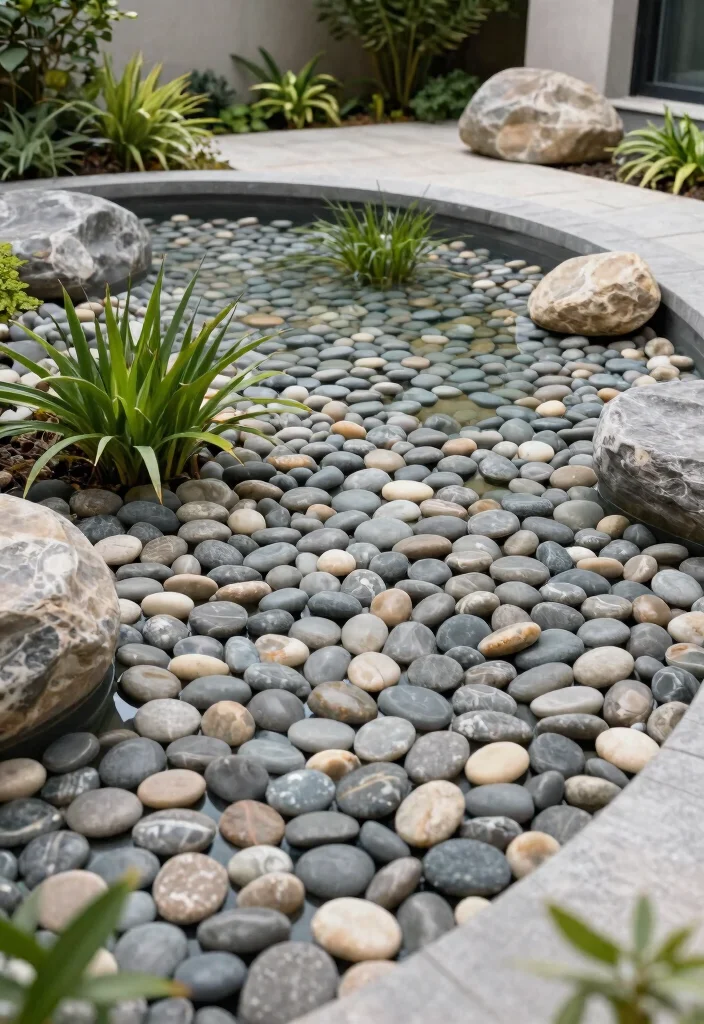
Elevate the elegance of your backyard with a pebble-covered pond that combines beauty with easy maintenance. This design simplifies landscaping by using a variety of pebbles to create a natural and clean look. The pebbles allow water to flow freely while minimizing algae growth, making upkeep a breeze.
A pebble-covered pond maintains a low profile, adding sophistication without overshadowing other plants. Choose smooth pebbles in diverse colors for a striking effect, and design the pond with gentle curves for added visual interest.
Key features to consider:
– Select a mix of smooth pebbles in various shades.
– Create gentle curves and varying depths for aesthetics.
– Incorporate water plants that thrive in pebble environments.
This design is perfect for those seeking a contemporary yet natural pond that promotes easy care in your garden.

Square basket secures and protects aquatic plants

High-quality: The aquatic plant bag is made of thick mesh PVC, which has good load-bearing capacity, tear resistance, corrosion resistance, and is not easily damaged, making it suitable for long-term use in water. It's the best choice for planting aquatic plants.

Large Quantity: you will receive 8 pieces of aquatic plant pot in black, with breathable design, which can ensure access to water at will and provide sufficient moisture for the plants, enough to meet your replacement needs
9. Edible Water Plants Pond
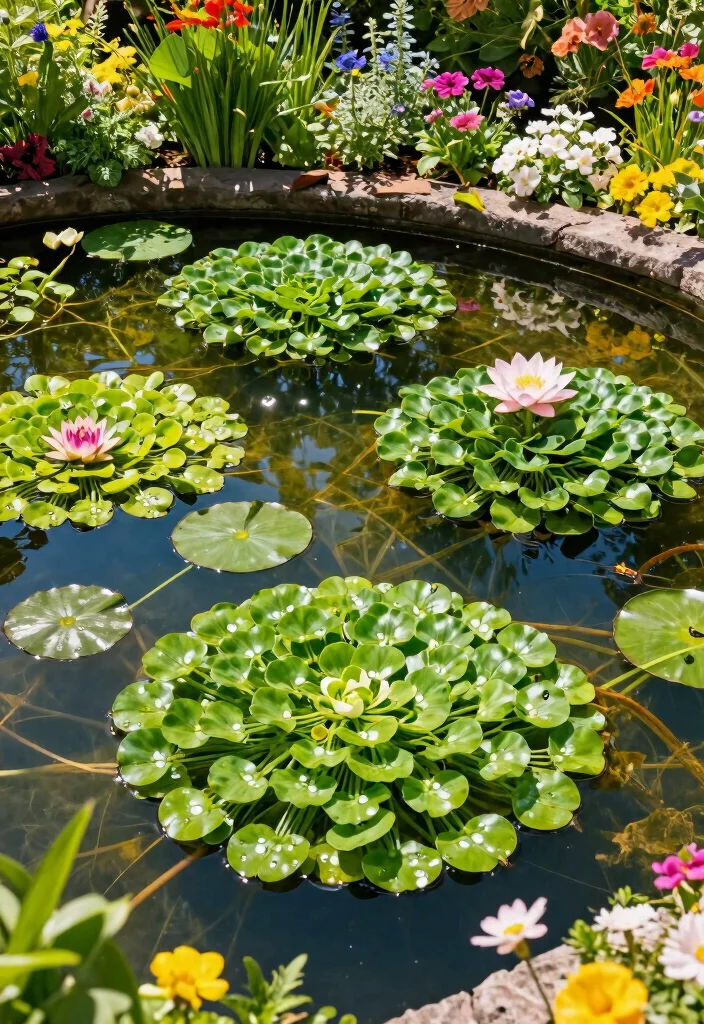
Combine beauty and practicality with an edible water plants pond that provides fresh produce right from your garden. Growing plants like watercress, duckweed, and lotus not only enhances your pond’s charm but also offers culinary delights. This unique idea fosters sustainability and healthy eating while transforming your garden into a productive oasis.
Incorporate a variety of floating and submerged edible plants for visual and functional diversity. Use natural fertilizers like compost to enhance growth without chemicals, ensuring a healthy ecosystem. Regular harvesting keeps plants thriving and balances the pond’s environment.
Essential elements for your edible pond:
– Plant a mix of floating and submerged edible varieties.
– Use organic fertilizers for plant nourishment.
– Harvest often to support growth and maintain balance.
An edible water plants pond offers a sustainable and delightful twist to your gardening experience while enhancing your outdoor space.
Did you know duckweed can double in size in as little as 24-48 hours? This edible water plants pond fits neatly into backyard pond ideas, letting you harvest watercress and lotus right from your backyard—turning a simple pond into a productive, eco-friendly oasis.

Bring balance and serenity to your desk at work, great for momentary escapes or channeling creativity

Natural Chips Stone: Made of selected irregular crystals with rich color, 0.1"-0.5" in size, they are suitable for various sence setting. Premium material makes them resist fading for long-lasting beauty. Tips: Wash before first use to get rid of dirt

Bring balance and serenity to your desk at work, great for momentary escapes or channeling creativity
10. Waterfall Feature Pond
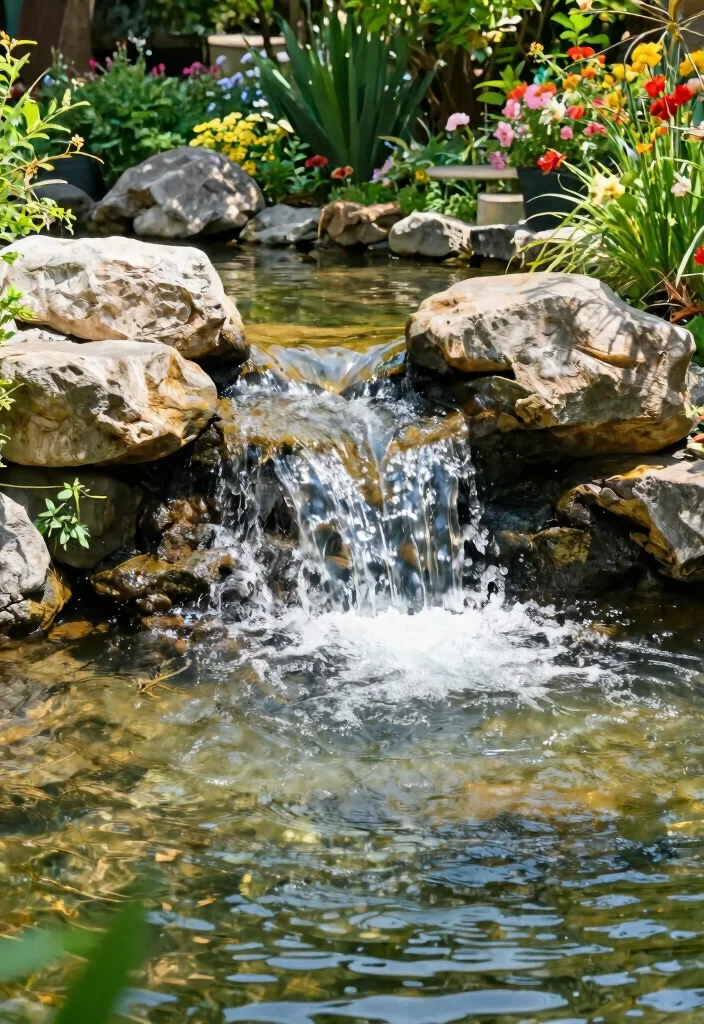
Enhance your backyard with a stunning waterfall feature that gracefully flows into your pond. The soothing sound of flowing water creates a serene atmosphere, promoting relaxation and tranquility. By integrating a waterfall into your pond design, you can improve aeration and natural filtration, benefiting your pond’s ecosystem.
Use natural stones to construct a waterfall that blends seamlessly with your landscape. Allow the water to cascade over smooth edges for a gentle, calming sound that invites wildlife.
Key features to incorporate:
– Construct the waterfall with various stone sizes for a natural appearance.
– Ensure smooth edges for a gentle water flow.
– Install a pond liner to maintain water retention.
This feature adds a dynamic element to your pond while enriching the habitat for local wildlife, creating a vibrant outdoor environment.
11. Gothic Arch Pond
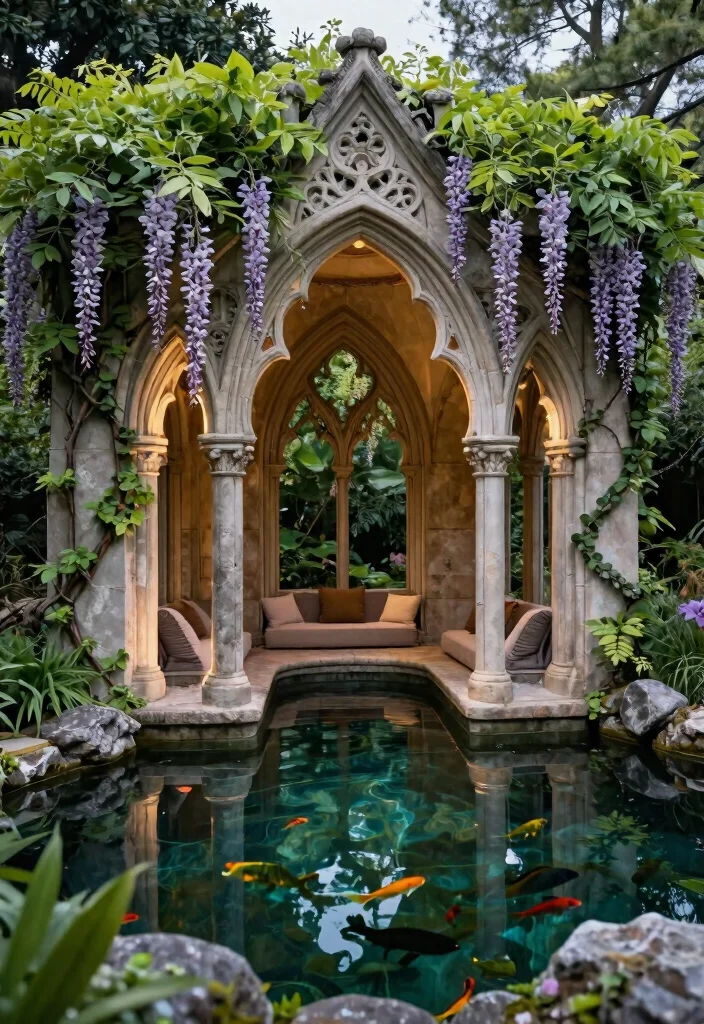
Introduce a touch of elegance to your garden with a gothic arch pond that captivates the eye. Using arched stone structures or trellises covered in climbing plants, this vertical design creates a stunning focal point while providing shade for aquatic life. The gothic arches frame your pond beautifully, enhancing your landscape’s charm.
Enhance the structure with climbing plants like wisteria or honeysuckle, inviting delightful scents and colors. Create cozy seating areas beneath the arches, perfect for enjoying the pond’s beauty. Incorporating lighting can add a magical touch during evening hours.
Key design elements:
– Use climbers to add greenery and fragrance.
– Create seating areas for relaxation and enjoyment.
– Add lighting for enchanting evening ambiance.
A gothic arch pond brings sophistication to your garden, creating a personal sanctuary that you can cherish for years.
12. Pond with Built-In Seating
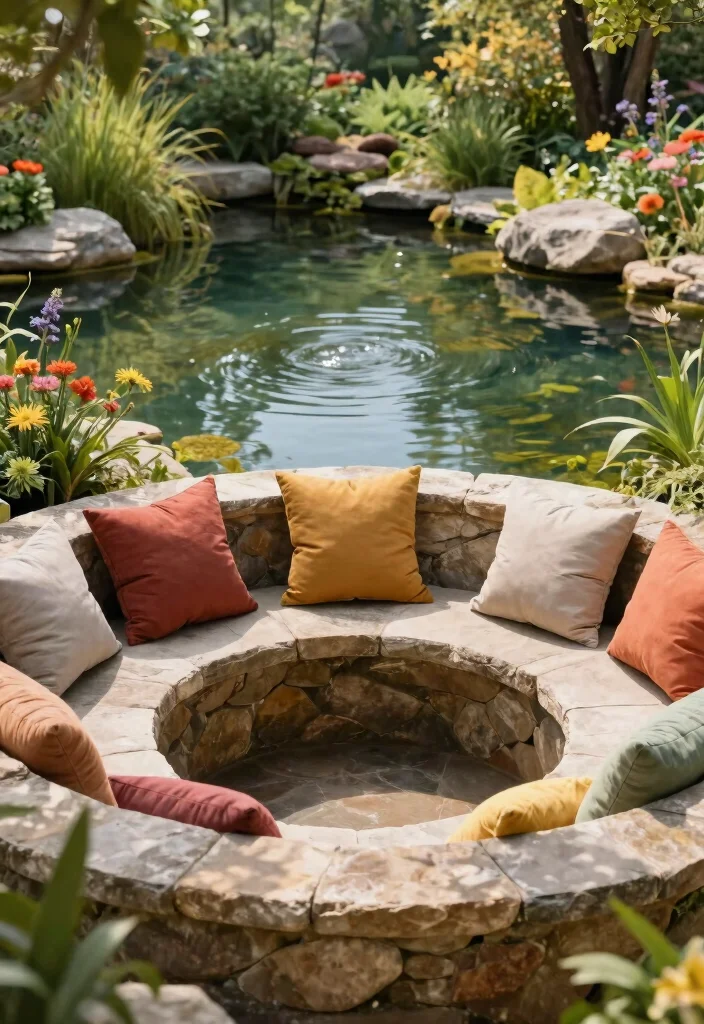
Transform your backyard pond into an inviting social space with built-in seating that encourages gatherings and relaxation. By incorporating comfortable seating around your pond, you create a space for entertaining guests or unwinding after a long day. This design enhances accessibility while fostering a warm atmosphere for social interactions.
Use natural stones to create seating that seamlessly blends with the landscape. A sunken seating area adds intimacy, while cushions can provide comfort and style.
Key features for your seating area:
– Use natural materials for a cohesive design.
– Consider a sunken area for a cozy feel.
– Add cushions for added comfort and flair.
With built-in seating, your pond becomes the go-to spot for relaxation and socializing, balancing comfort and nature beautifully.
13. Artistic Mosaic Pond
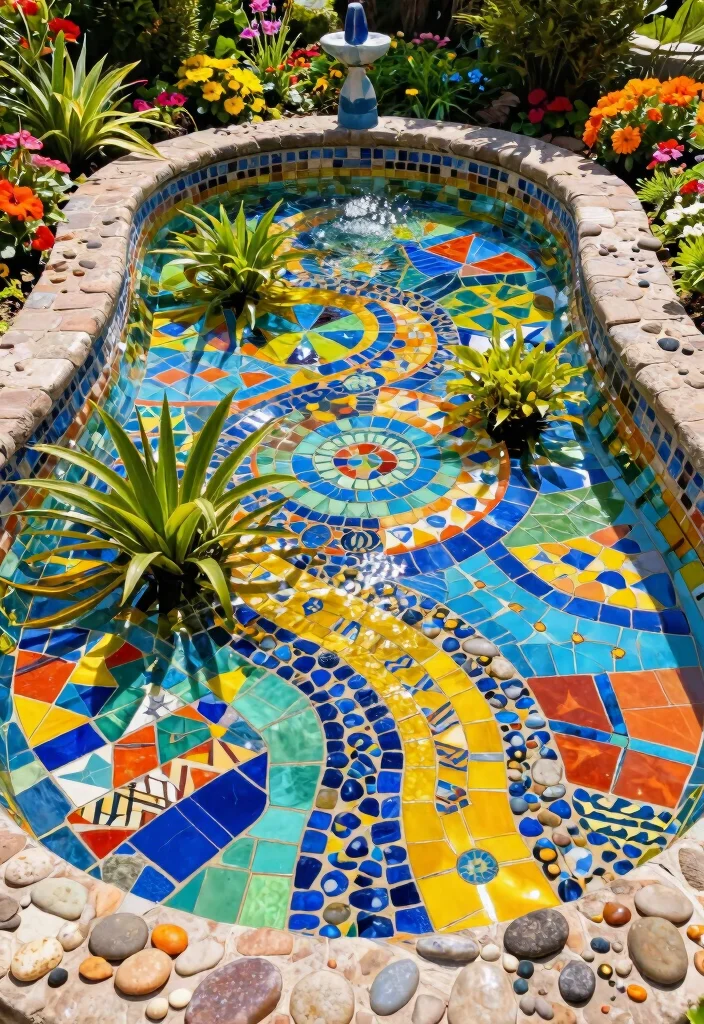
Showcase your creativity with an artistic mosaic pond that features colorful designs and unique patterns. By using tiles, stones, or pebbles in various shades, you can craft a visually striking pond that reflects your personality. This eye-catching design transforms your water feature into a work of art while providing a peaceful retreat.
Experiment with different patterns and colors to create your unique masterpiece. Embedding some plants into the mosaic can add texture and depth. Ensure that all materials are non-toxic to maintain the health of the pond’s ecosystem.
Consider these elements for your mosaic pond:
– Play with colors and patterns for a one-of-a-kind look.
– Embed plants for added visual interest.
– Use safe materials to protect the pond’s health.
An artistic mosaic pond enhances your garden’s beauty, inviting admiration and conversation from visitors.
14. Rustic Wooden Pond
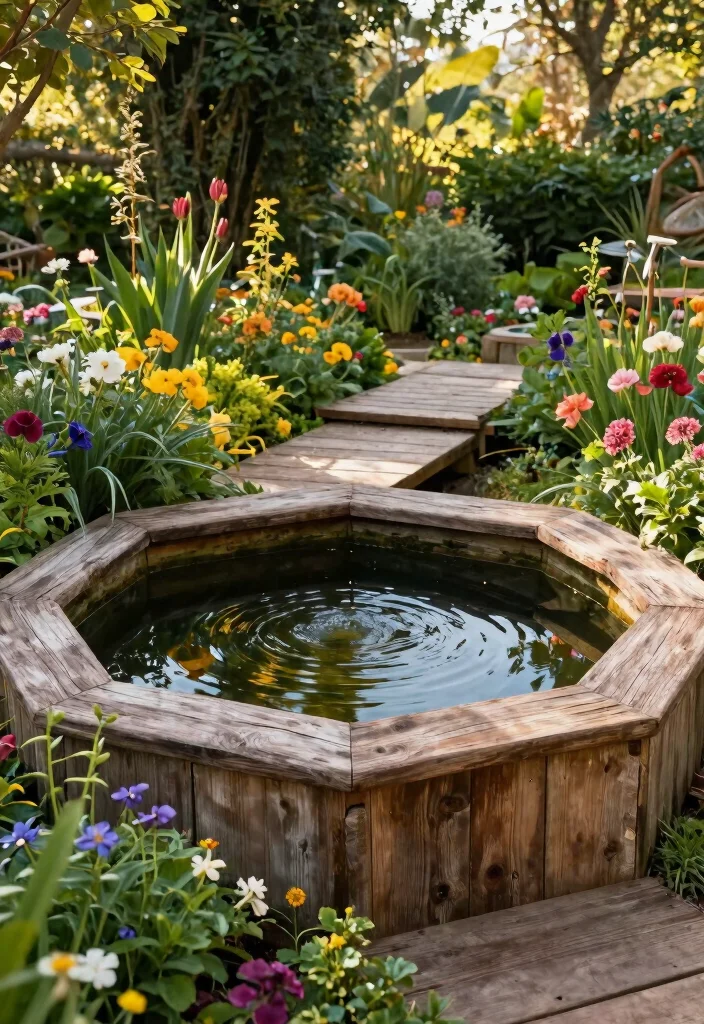
Add warmth and charm to your backyard with a rustic wooden pond that harmonizes with nature. Using reclaimed wood or logs, you can create a beautiful pond that seamlessly blends into its surroundings. This eco-friendly option not only looks great but also promotes sustainability by repurposing materials. The textured wood adds character, creating a cozy atmosphere.
Consider integrating a small wooden dock to enhance the charm and functionality. Using untreated wood ensures no harmful chemicals leach into the water, protecting the ecosystem. Incorporate plants that thrive in the presence of wooden structures for added beauty.
Essential elements to include:
– Integrate a small dock for added functionality.
– Use untreated wood for safety.
– Incorporate plants that flourish around wood.
A rustic wooden pond offers a natural, inviting space perfect for enjoying the outdoors and connecting with nature.
15. Community Garden Pond
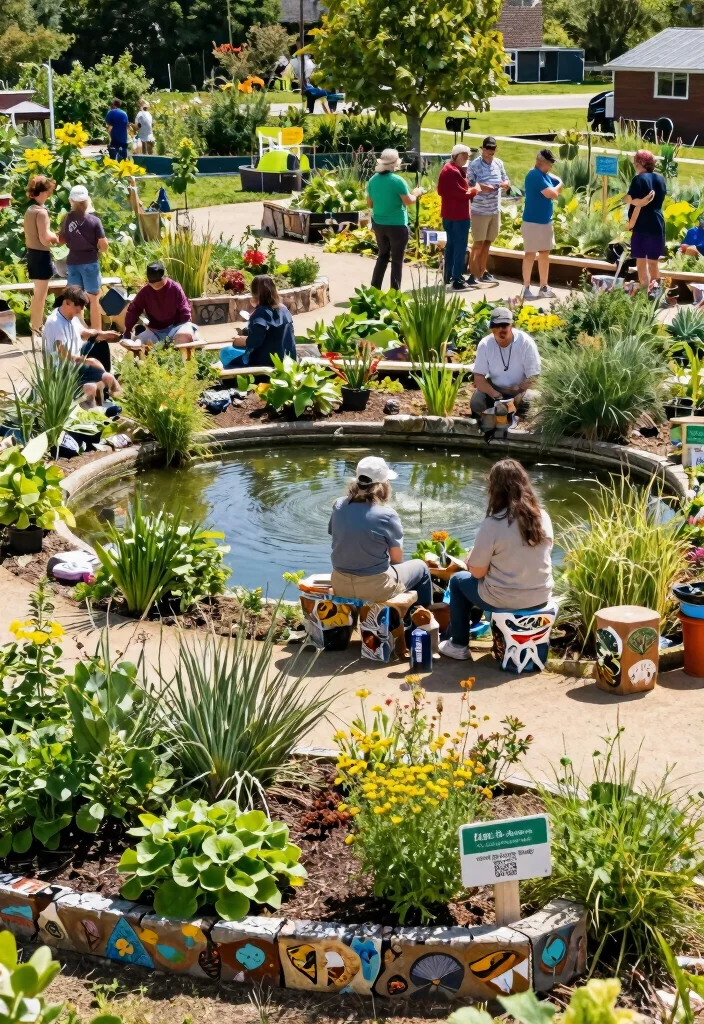
Create a shared oasis with a community garden pond that fosters connection among neighbors. Establishing a pond in a community garden enhances the landscape while providing a gathering spot for socializing and learning about ecology. This type of pond serves as an educational tool, promoting environmental sustainability within your community.
Organizing community events around the pond encourages engagement and connection. Use signage to educate visitors about local wildlife and plants, fostering appreciation for the environment. Incorporate recycled materials for pathways and seating areas to emphasize sustainability.
Important elements for your community pond:
– Host events to bring the community together.
– Use informative signage about local flora and fauna.
– Create pathways with recycled materials for sustainability.
A community garden pond serves as a beautiful centerpiece that unites people, fostering a deeper connection to nature and each other.
Conclusion
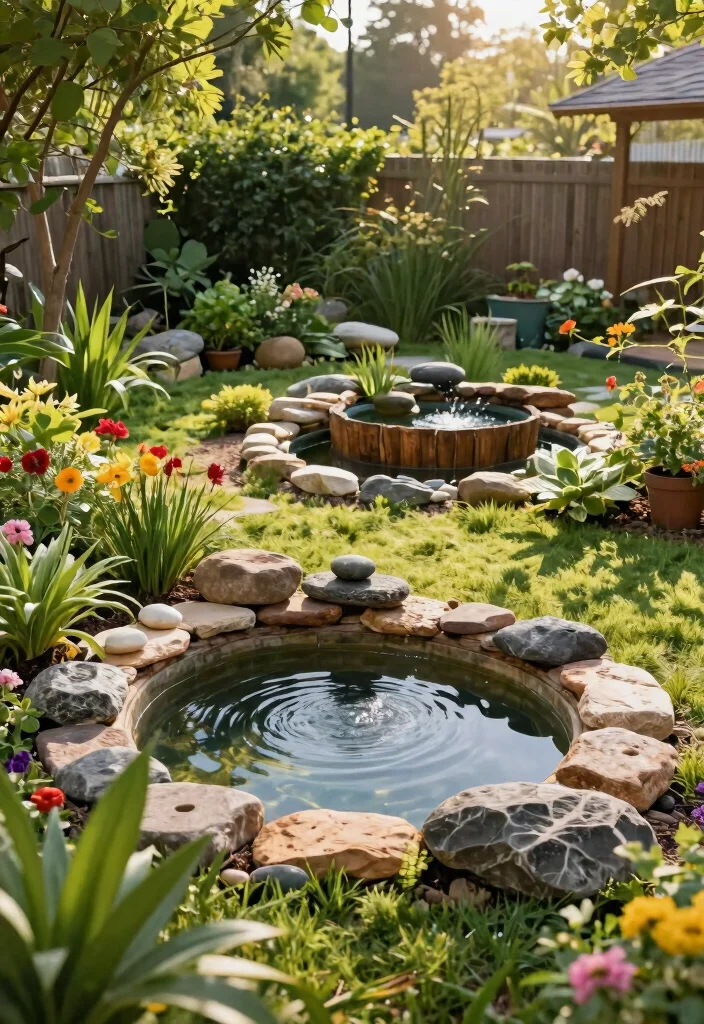
Creating a backyard pond is not just about adding beauty; it’s about enriching your garden and enhancing your lifestyle.
Each of these ideas offers a unique way to connect with nature while respecting the environment. Whether you’re opting for a tranquil Zen garden or a lively community pond, you’ll find joy in every ripple and reflection. Explore these inspirations further, and consider how each idea can personalize your outdoor space, making it a retreat you’ll cherish for years to come.
Frequently Asked Questions
What are some easy backyard pond ideas that don’t need a power line?
Start with a simple, shallow pond (roughly 6–18 inches deep) to minimize maintenance and support natural balance. Line it with a durable pond liner and give it gentle, rounded edges to blend with your landscape. Create a built-in filtration area using a bog garden with native plants like water iris, marsh marigold, and arrowhead (Sagittaria) or watercress to help filter water naturally. Let water flow back into the pond via a gravity-fed stream or small cascade from a higher point, so you get movement without a pump. Collect rainwater from gutters to top up the pond and keep chemicals out. Finish with natural stones and driftwood for a cohesive, eco-friendly garden ponds look.
How can I design natural pond designs that stay low-maintenance in a small backyard?
Think in zones: a shallow b og edge for filtration, a mid-depth open water area for wildlife, and a tiny deeper refuge. Use native plants that thrive in your climate to handle filtration, lessening reliance on artificial systems. Choose a compact footprint with a natural, curvy shape to reduce maintenance and create easier margins. Build with durable, local materials and focus on seasonal care like leaf cleanup and annual plant trimming. This approach keeps backyard pond ideas practical for small spaces while staying true to natural pond designs and low-maintenance water features.
What DIY steps create an eco-friendly garden ponds without electrical features?
Plan your site for sun and shade balance, then dig and line the pond with a natural, durable liner. Create a bog filter area planted with hardy native species to handle filtration without electricity. Choose water-friendly plants like water iris, marsh marigold, and arrowhead to keep water clean. Add a shallow shoreline for wildlife and a small, gravity-fed waterfall or stream that returns water to the pond. Use collected rainwater to fill and top it up, and finish with natural materials like rocks and wood to enhance the eco-friendly garden ponds vibe.
What low-maintenance water features work well in small backyard ponds that don’t require a power line?
Opt for features that rely on gravity and natural filtration. Ideas include a shallow, plant-forward bog area with marginal plants, a gentle gravel or pebble stream leading into the pond, and a small, stacked-stone waterfall powered by rainwater but without a pump. A meandering dry creek bed can move water naturally and add texture. Keep things simple with native plants like water lilies, iris, and rushes, which help filter and cover the water, reducing algae and maintenance while preserving a serene, eco-friendly garden ponds look in limited spaces.
Which plants and wildlife should I include in a backyard pond ideas that don’t need power to thrive?
Focus on plants that provide shade, filtration, and habitat. Great choices include water lilies for shade, water iris, marsh marigold, and bog rush. These not only beautify the pond but also help control algae naturally. For wildlife, invite dragonflies, frogs, toads, birds, and small critters by keeping edges gentle and shallow—no deep drops. Avoid chemical fertilizers or pesticides, and practice seasonal maintenance like leaf removal and plant trimming to keep the ecosystem balanced. This approach aligns with natural pond designs and keeps your backyard pond ideas thriving without power.
Related Topics
backyard pond ideas
natural pond designs
low-maintenance water features
DIY pond landscaping
eco-friendly garden ponds
small backyard ponds
easy pond projects
water conservation
sustainable gardening
outdoor decor
beginner friendly
seasonal gardening